History of the Flight
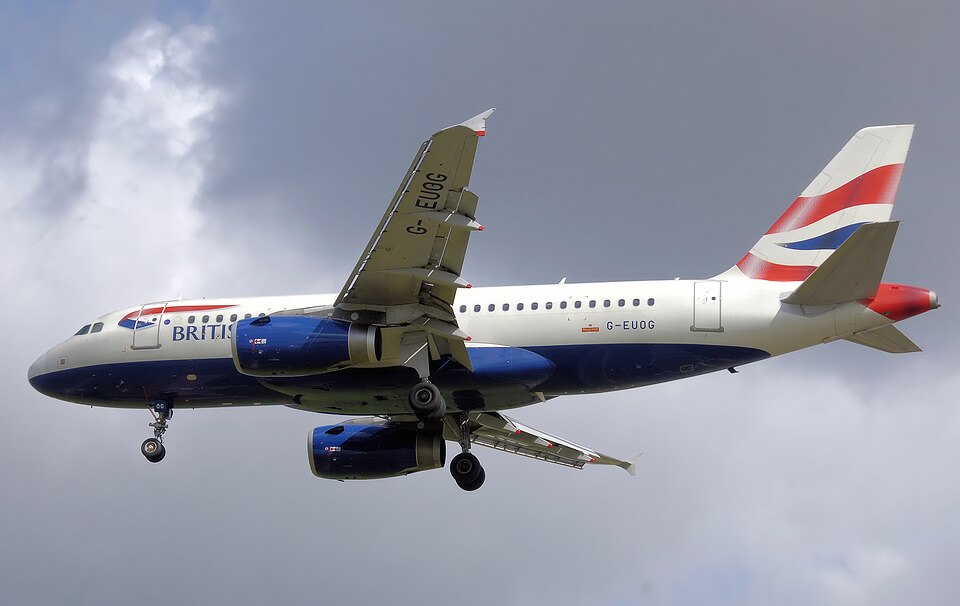
On 2 October 2019, an Airbus A319-131 (registration G-EUOG) operated a commercial passenger flight from London Heathrow Airport to Leeds Bradford Airport. The crew completed pre-flight preparations, including takeoff performance calculations for departure from intersection N2W on Runway 27L, which provides a takeoff run available (TORA) of 3,380 m.
During taxi out with one engine running, the pilot monitoring (PM) mistakenly requested intersection N4E (TORA 2,702 m) from air traffic control. ATC rapidly approved the request, leaving the crew little time to complete pre-departure duties. The crew started the second engine and were cleared to line up. The aircraft performance for the new intersection was not discussed or entered into the Flight Management Guidance Computer (FMGC).
As the aircraft lined up, the pilot flying (PF) realized the FMGC still contained data for N2W and asked the PM if he was happy to continue. The PM interpreted the question as pertaining to the completion of the engine start and departure process rather than takeoff performance, and replied affirmatively. Based on his experience, the PF considered the performance adequate and elected to continue. The takeoff was unremarkable; the calculated performance included thrust reduction, and the PF did not select full thrust.
The flight was short, and the event was not discussed during the flight. During the post-flight debrief, it became apparent that the PM had not realized he requested a different intersection from the one used for performance calculations. The crew reported the incident to the operator as soon as possible.
Analysis
As a result of the mistaken request for a different intersection, the crew departed with performance figures calculated for a runway 678 m longer than available. Rushing to complete pre-takeoff procedures, familiarity with the airport, and the lack of a shared mental model between the crew contributed to what could have been a significant event. The aircraft was light, with limited payload and fuel for the short flight, so the takeoff performance was not compromised.
AAIB Comment
Takeoff performance data errors include data entry errors, selection errors, mistaken takeoff point errors, and change of runway or intersection errors. Despite training and standard operating procedures, performance errors persist across many aircraft types worldwide. Takeoff performance calculations require uninterrupted time, concentration, coordination, and adherence to standard operating procedures to reduce the possibility of errors.
The CAA and AAIB continue to work with operators, manufacturers, and EASA to mitigate risks of takeoff performance data errors, including raising awareness, quantifying risks through flight data monitoring, and exploring technological barriers to warn crews of errors.