Incident Overview
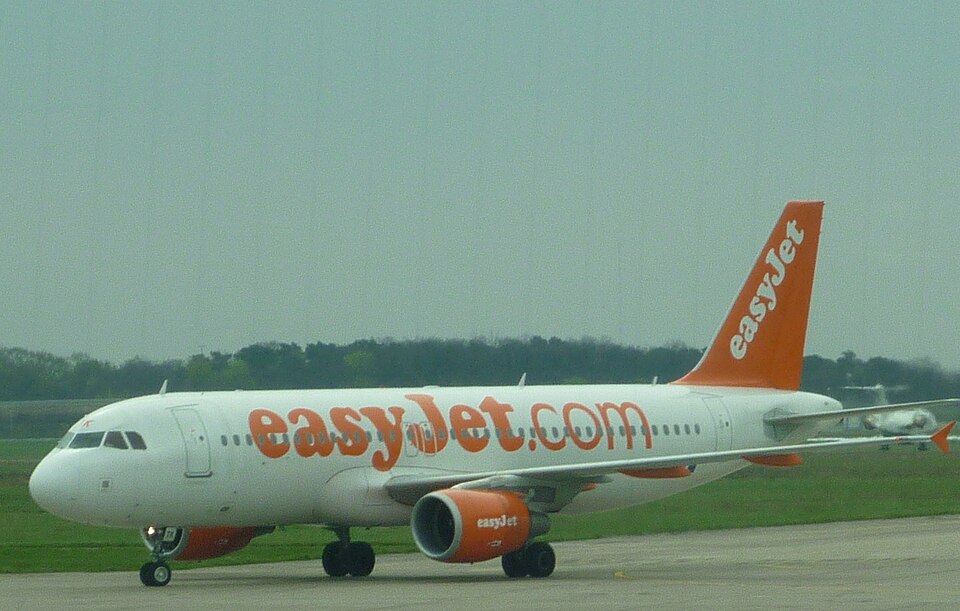
On 20 January 2017, an Airbus A320-214 (registration G-EZTK) operating a scheduled passenger flight from Paphos to London Gatwick was cruising at flight level 340 when the flight crew heard a sudden “whirring” noise and felt vibration coming from beneath the cockpit and forward galley area. Approximately one minute later, a distinct electrical burning smell became noticeable in the cockpit, which was confirmed by a senior cabin crew member. The commander decided to divert to Athens. Both pilots donned oxygen masks, declared a PAN, and initiated a descent and diversion with clearance from air traffic control. During the descent, the crew consulted the Quick Reference Handbook smoke and fumes checklist and performed initial actions. No Electronic Centralised Aircraft Monitor cautions were present, so the crew did not select an emergency electrical configuration. The aircraft landed without further incident, though it was 1.5 tonnes overweight (67.5 tonnes). There were no injuries to passengers or crew, and a normal disembarkation was carried out.
Engineering Investigation
Subsequent fault diagnosis revealed that the avionics bay cooling extractor fan had seized due to a bearing failure. The fan was replaced, and the aircraft returned to service after completion of overweight landing checks.
Fan Bearing History
The avionics bay conditioning system includes two fans of the same type: an extractor fan and a blower fan. In this fan type, bearing failure leads to damage to the stator, rotor, and body from rubbing and friction, producing a rumbling noise, vibration, and a frictional burning smell. The manufacturer had identified a small number of premature bearing failures in the A319/320 family and introduced ceramic bearings to improve reliability. G-EZTK was fitted with fans using ceramic bearings. However, despite the improvement, bearings remain the components that wear first and are the main failure mode. The manufacturer issued a Vendor Service Information Letter with an advisory time between overhaul of 10,000 flying hours and provided overhaul kits.
Operator Action
The operator had initiated a two-phase mitigation policy in May 2016. Phase 1 identified priority fans for overhaul based on criteria such as time since new and inspection intervals. Phase 2 involved a scheduled overhaul programme with a planned throughput of 15 units per month. The extractor fan on G-EZTK had accumulated 25,181 hours time since new and 14,181 cycles since new. Because the paired blower fan had been fitted in April 2016, the fans were not considered a priority. The operator continues to monitor fan life and has removed and overhauled 82 of 131 identified fans. Additionally, the operator plans to participate in an evaluation of a fan health monitoring unit that detects vibration levels to provide early warning of bearing failure and can automatically shut down the fan to prevent critical failures.
AAIB Note
This incident and the fleet-wide actions are consistent with those detailed in a previous AAIB report from February 2016 concerning a similar incident involving Airbus A320-232, G-EUYE, on 27 July 2015.