History of the Incident
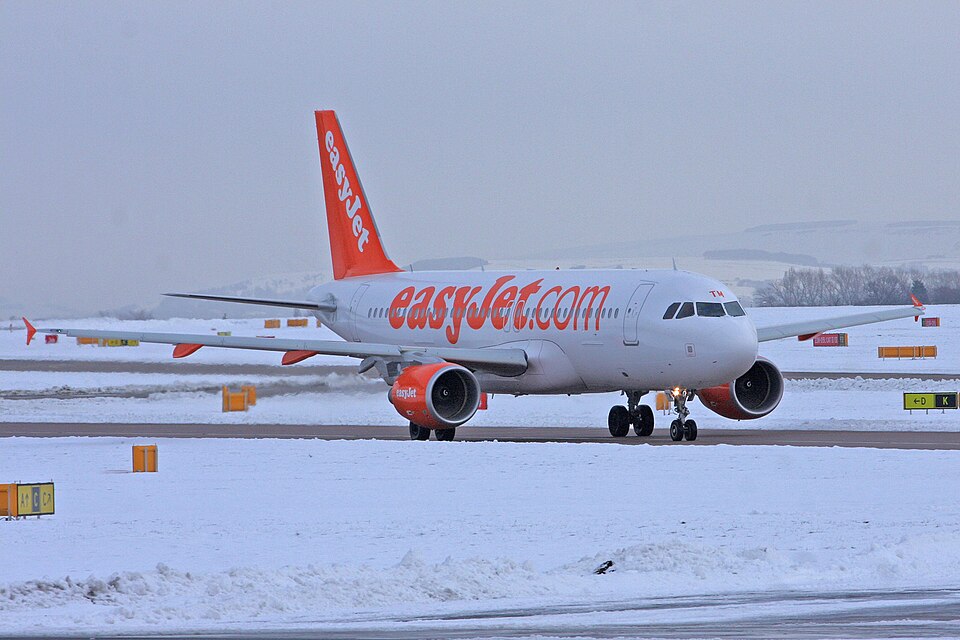
The aircraft, an Airbus A320-214 registered G-EZTM, was parked on Stand 559 at London Gatwick Airport on 26 March 2017. A brake system defect from the previous sector was being investigated. As part of Aircraft Maintenance Manual (AMM) Task 32-42-00-710-001-A Rev.55, the parking brake was selected off. After the task, the parking brake remained off, as the task did not require it to be re-engaged.
The flight crew had arrived before the maintenance and completed cockpit preparation, including confirming the parking brake was on. They were unaware it had later been turned off.
Prior to departure, ground handling staff connected a tug and removed the chocks as part of pre-departure checks, contrary to the operator's procedures requiring chocks to remain until all ground equipment is clear. The tug driver then realized the tug radio was faulty and disconnected to replace it, without communicating with the flight crew. When the tug was disconnected, the aircraft moved backwards and struck the forward steps, causing damage to the fuselage and Door 1L. The flight crew applied footbrakes to stop the aircraft. There were no injuries, and occupants disembarked via a rear door.
Conclusions
The investigation concluded that the aircraft was able to move as a result of two factors: 1. Maintenance activity left the parking brake off after the flight crew had previously confirmed it on. 2. Ground handling staff removed the chocks before ground equipment was clear, contrary to operator procedures. When the tug was disconnected, nothing prevented the aircraft from moving and colliding with the steps.
Safety Actions
The operator's engineering department is reviewing the AMM task and will make recommendations to the aircraft manufacturer to amend it. The ground handling company has raised awareness of the event, retrained staff on correct chocking procedures, and reissued the defective equipment local operating procedure to prevent use of inoperative equipment.