Synopsis
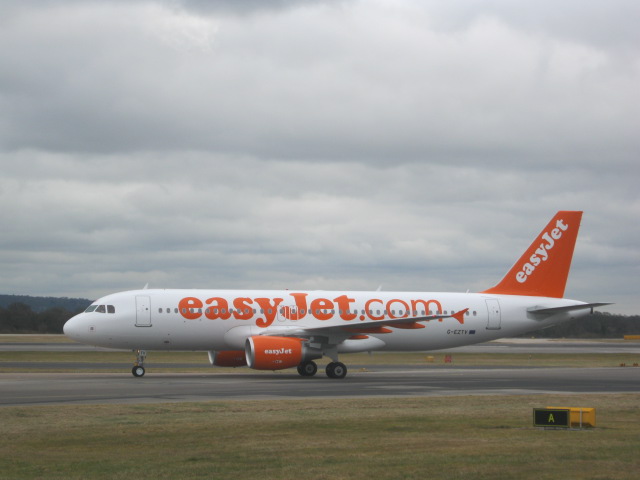
On 3 March 2017, an Airbus A320-214, registration G-EZTV, was involved in a ground collision with a tug during pushback from Stand 1 at Manchester Airport. The aircraft sustained damage to its forward lower fuselage and nose landing gear assembly. There were no injuries to the 6 crew or 172 passengers. The towbar shear pins had fractured earlier in the pushback, but the ground crew did not discover the failure, and the pushback continued.
Accident Description
During pushback, the flight deck crew felt a jolt and heard a clunk. The commander informed the headset operator, who checked the towbar visually but saw nothing abnormal. The pushback continued, and the left engine was started before reaching the designated engine start position. As the tug began pulling the aircraft forward, the aircraft started deviating to the right. The tug driver suspected the towbar had separated and attempted to reverse, but a retaining pin prevented separation, causing the aircraft to be pulled toward the tug. Despite the headset operator's urgent call to stop, the tug collided with the aircraft's left lower fuselage. Both engines were shut down, and passengers disembarked via the rear right exit without injury.
Investigation Findings
Investigations by the ground handling company, airport operator, and aircraft operator revealed maintenance and training issues. Examination of the towbar showed that the shear pins had failed; one pin had failed 16 days prior and was replaced singly, contrary to recommended practice. The pins had not been lubricated correctly, and the retaining pin was over-tightened and had an incorrect part number. The ground crew's training did not prepare them to adequately check shear pin serviceability. When the pull forward began, the two sections of the towbar pivoted around the retaining pin, allowing the aircraft to turn right, possibly influenced by idling left engine thrust and a downslope. The headset operator was looking forward and did not notice the deviation initially. The tug driver, believing the towbar had separated, tried to reverse, but the intact retaining pin prevented separation, leading to the collision.
Safety Actions
In response, the ground handling company improved towbar maintenance and inspection procedures, developed training aids to recognize unserviceable shear pins, introduced standard fault-finding procedures for unusual sounds during pushback, and enhanced training on stand-specific engine start procedures. The airport operator issued safety alerts on pushback equipment maintenance and stand-specific procedures. The aircraft operator reviewed its pushback procedures based on manufacturer comments.
Manufacturer's Comments
The aircraft manufacturer noted that the towbar lacked a damping system recommended to reduce impulse loads. The tug used was approximately three times heavier than the minimum required, which can transmit larger forces to shear pins and increase failure risk. The manufacturer advised using tugs with limited drawbar pull and exercising caution with heavier tugs.