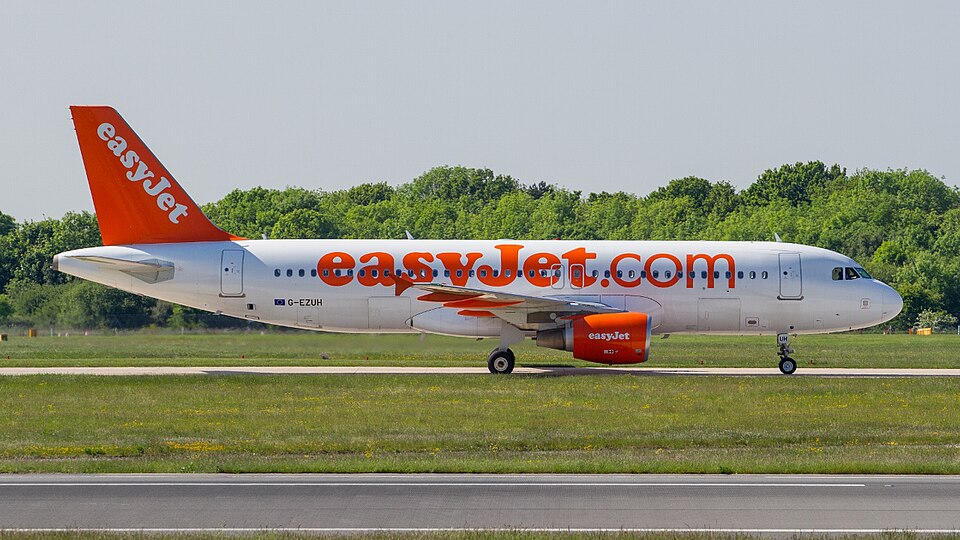
Introduction
On 16 July 2015, an Airbus A320-214, registration G-EZUH, operated by a commercial airline, experienced a serious incident during takeoff from London Luton Airport. The aircraft, manufactured in 2011 and powered by two CFM CFM56-5B4/3 turbofan engines, was conducting a scheduled passenger flight to Montpellier, France. There were 6 crew and 178 passengers on board; no injuries were reported and no damage occurred.
History of the Flight
Before pushback, the commander calculated takeoff performance for a departure using the full length of Runway 08 (2,162 m) with flap 1, using an Electronic Flight Bag (EFB). These figures were crosschecked by the co-pilot and entered into the Flight Management Guidance Computer (FMGC).
While holding at Holding Point Bravo One, the crew observed another aircraft holding on the runway threshold due to a clearance issue. The commander asked air traffic control if a takeoff from Intersection Bravo One would be acceptable; ATC confirmed it was.
The commander then recalculated takeoff performance for Runway 08 using flap 2 and the full runway length (2,162 m), not adjusting for the shorter distance available from Intersection Bravo (1,688 m). The co-pilot crosschecked the new flap setting but did not note the unchanged runway selection. The new speeds and thrust were entered into the FMGC.
As the aircraft accelerated during takeoff, the commander noticed the remaining runway was shorter than expected but committed to the takeoff without adjusting thrust. The aircraft became airborne with approximately 180 m of runway remaining. The pilots later recalculated and realized the error. The flight continued uneventfully.
Commander's Comments
The commander stated that he attempted to change the runway selection on the EFB to reflect the intersection departure, but likely failed to do so due to the combination of his finger size and the touch screen calibration. He also believed he was distracted from confirming the runway selection by the need to coordinate the flap change with the co-pilot.
Recorded Data
Flight data monitoring indicated the aircraft departed from Intersection Bravo at a takeoff weight of 67.8 tonnes, with a takeoff distance available of 1,688 m. At the estimated V1 of 132 KIAS, about 580 m of runway remained. Rotation began at 142 KIAS with 430 m remaining, and the aircraft became airborne at 148 KIAS with 180 m remaining. The aircraft passed over the runway end at a height of 117 ft, as measured by the radio altimeter.
Safety Actions
In response to this and similar incidents, the operator planned to publish an article in its Flight Safety Bulletin outlining the severity and hazards of failing to crosscheck all performance calculations. Additionally, a briefing note was added to all Operational Flight Plans highlighting the importance of crosschecking takeoff performance calculations when changes are made due to intersection departures or other last-minute changes.