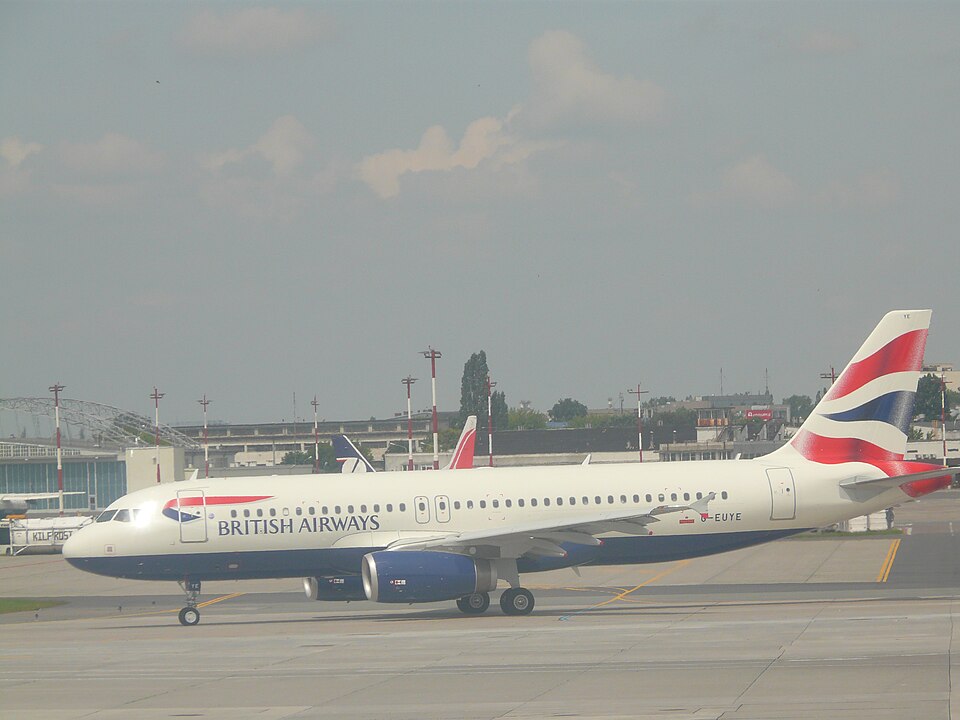
Incident Overview
On 27 July 2015, an Airbus A320-232 (registration G-EUYE) was operating a scheduled passenger flight from Paris Charles de Gaulle Airport to London Heathrow Airport. While cruising at flight level 240, the flight crew became aware of an unusual noise accompanied by an electrical burning smell. The noise quickly intensified into a high-pitched squeal with associated vibration, and the smell grew stronger, though no visible smoke was present.
Flight Crew Actions
The crew donned full-face oxygen masks and selected 100% oxygen. The commander issued a MAYDAY call and received clearance from London ATC for an expeditious descent. The crew then initiated the smoke/fumes/avionics smoke drill from the Quick Reference Handbook. Setting the avionics ventilation system blower fan to override caused the noise to cease immediately. The ECAM later indicated a BLOWER FAULT and an EXTRACT FAULT, but no further action was required. The approach and landing were uneventful. After vacating the runway, the aircraft stopped for an external inspection by the airport fire service, which found no abnormalities.
Engineering Investigation
Visual examination of the avionics blower fan in situ revealed no anomalies. However, when powered on, a rumbling noise and vibration were noted. The fan was removed and exhibited worn, noisy bearings and a burning odour when spun by hand. The fan contained ceramic bearings, an improvement over original steel ball bearings. The operator had a revised maintenance policy to overhaul ceramic-bearing fans every 12,000 flying hours; at failure, this fan had accrued approximately 16,000 hours and was scheduled for removal at the next C check in September 2015.
Safety Actions
Previous service bulletins introduced ceramic bearings to reduce failure rates. The fan manufacturer issued a Service Information Letter in August 2013 recommending periodic bearing replacement every 10,000 flying hours, advising operators not to exceed 12,000 hours between overhauls. The aircraft manufacturer plans in-service evaluation of fan vibration monitoring to further reduce similar events.
Flight Crew Training Note
The crew found their simulator training effective for mask use and communication. The commander noted that simulator masks lack the protective clear visor cover present on actual aircraft masks, which could be overlooked in a stressful situation, though in this instance it did not impair vision.