History of the Flight
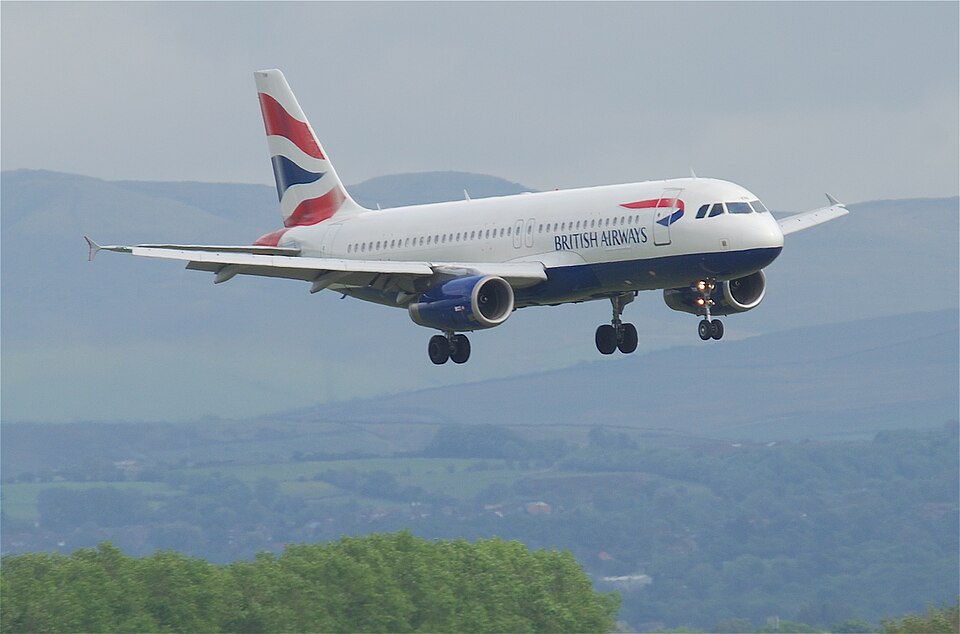
At 2015 hrs on 18 December 2014, Airbus A320-232, registration G-TTOB, departed London Heathrow Airport on a scheduled passenger service to Paris Charles de Gaulle Airport. The aircraft carried 6 crew and 137 passengers. As the aircraft climbed through 5,000 ft, the flight crew noticed a musty smell that was initially mild but strengthened slightly over the next few minutes. While discussing the smell and possible courses of action, the purser called from the cabin to inform the commander that cabin crew at the front and rear had also noticed the smell and that some were feeling lightheaded and a little nauseous. The flight crew initiated smoke and fumes response actions as per the Quick Reference Handbook, including donning their oxygen masks.
With the source of the smell unidentified, the flight crew informed Air Traffic Control via a PAN call and stated their intention to return to Heathrow. The commander briefed the cabin crew accordingly. During the subsequent approach to Heathrow, the smell persisted but did not worsen, so the crew continued wearing oxygen masks. After landing and vacating the runway, the aircraft stopped on a taxiway while emergency services conducted an external inspection. By then, the smell had reduced, and the crew removed their masks before taxiing to the stand. There were no reports of lasting adverse effects on passengers or crew.
Investigation
The aircraft operator's technical investigation found that hydraulic fluid, leaking from a yaw damper actuator, had been ingested into the air inlet of the Auxiliary Power Unit (APU). The APU supplies bleed air to the aircraft's air conditioning system when engines are not providing it, so the ingested fluid entered the air conditioning system.
Outcome
The leaking actuator was replaced, and a decontamination procedure was carried out. The aircraft was subsequently returned to service with no recurrence reported.