History of the Flight
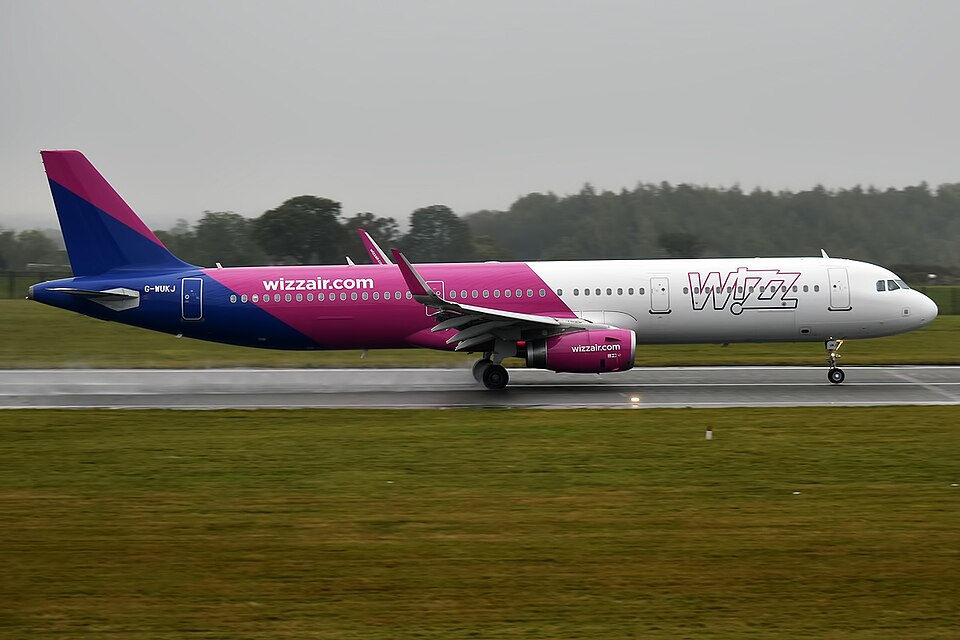
An Airbus A321-231, registration G-WUKJ, had been parked at a remote stand at Doncaster Airport since 25 March 2020. It was prepared for long-term parking in a 'flight-ready' condition according to the Aircraft Maintenance Manual. On 9 June 2020, the air data system was flushed as part of the long-term parking requirements. On 15 June 2020, a work package prepared the aircraft to return to service, and the pitot covers were removed. On 16 June 2020, the aircraft was released for a non-revenue flight to Stansted. The commander and first officer completed separate walkarounds and found no faults. Shortly after 1030 UTC, the flight crew prepared the aircraft for flight, taxied, and received clearance for takeoff on Runway 20. During the initial acceleration, the commander's Primary Flight Display trend arrow indicated increasing airspeed. After his attention was drawn to birds in the takeoff path, he returned his scan to the PFD and saw that the speed indication was reading zero. He cross-checked with the first officer and called to reject the takeoff. Maximum reverse thrust and automatic braking were applied, and the aircraft stopped on the runway. The takeoff was rejected at 120 kt, which was also V1.
Recorded Information
Data from the flight recorder showed that the aircraft reached an airspeed of approximately 128 kt as recorded by the Integrated Standby Instrument System, one second after the crew initiated stopping action at V1. The aircraft slowed below 30 kt, the lowest value recorded by the ISIS, 1,200 m from the beginning of the 2,751 m runway.
Aircraft Examination
The post-flight report produced a failure message '34-12-34 ADR1' associated with a flight control ECAM warning in the No 1 Air Data Reference. Troubleshooting by the maintenance organization transposed the No 1 and No 3 Air Data Inertial Reference Units, and after a successful ground test, the aircraft was released for a ferry flight. During a subsequent takeoff at approximately 1540 hrs, the aircraft performed a low speed rejected takeoff as the commander's PFD still did not register airspeed. Further troubleshooting over the following two days found three small insect larvae, approximately the size of a grain of rice, within the No 1 pitot probe. The larvae were liberated while performing a pitot probe flush, as advised by the aircraft manufacturer. The larvae were not retained for identification. The operator concluded that the insect larvae may have been deposited in the pitot probe while it was parked with the pitot probe covers fitted. Pitot probe covers supplied by the aircraft manufacturer do not completely seal the probes to prevent differential pressure measurement issues, making it possible for an insect to enter during prolonged parking. It could not be ruled out that the larvae were deposited after the aircraft was prepared to return to service on 15 June or that an insect had been within the pitot probe covers before they were fitted.
Safety Actions
The operator introduced a requirement to flush all total and static pressure lines before any aircraft is returned to operation after being parked for more than three days. The operator is also seeking better pitot probe covers that may offer improved protection. The aircraft manufacturer is updating the Aircraft Maintenance Manual Return to Operations task to require air data system flushing prior to the next flight after prolonged time on the ground.