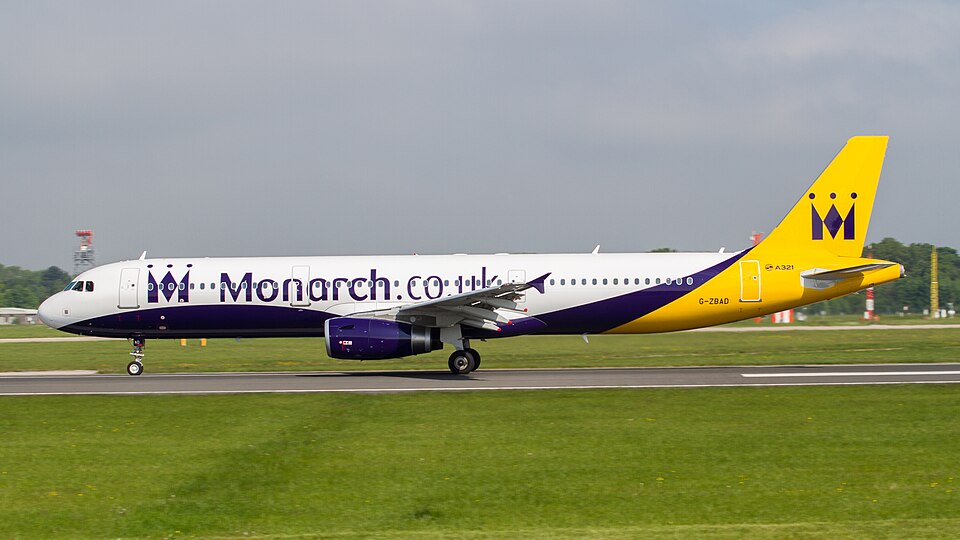
Incident Overview
On 23 June 2015, an Airbus A321-231, registration G-ZBAD, was involved in a ground handling accident at Manchester Airport during a pushback and pull forward operation. The aircraft was being repositioned from Stand 86R using a tug and towbar. After the pushback, the aircraft needed to be pulled forward onto the taxiway centreline because Stand 86R is located at the end of a taxiway cul-de-sac with a fence, requiring a forward move for proper alignment.
Sequence of Events
Two ground crew members were assigned: one driving the tug and one on a headset communicating with the flight crew. Prior to the pull forward, the tug driver raised the cabin to improve forward visibility. The cabin was raised approximately 45–55 cm, and the headset operator monitored the raising, using hand signals (thumbs up and clenched fist). When fully raised, the cabin was clear of the aircraft. The tug's cabin height when fully raised is 254 cm.
As the tug began to pull the aircraft forward, the headset operator observed the cabin approaching the underside of the aircraft and tried to attract the tug driver's attention, but the driver was looking away from the aircraft and the operator. After the aircraft had been pulled forward 2–3 metres, the tug driver heard a "crunch" and applied the brakes. The roof of the tug's beacon light and cabin had contacted the aircraft, puncturing the underside of the fuselage just aft of the radome. At the moment of impact, the towbar's shear pin, which connects the towbar to the aircraft's nose landing gear, sheared. The aircraft then remained in place, and passengers disembarked normally. There were no injuries to crew or passengers.
Equipment Details
The towbar used in this incident was 4,300 mm long, which is suitable for the Airbus A321-231 type. However, all other towbars for this aircraft type at the airport were 5,200 mm long. The 4,300 mm towbar was removed from service by the handling agent after the incident. The handling agent believed that if a 5,200 mm towbar had been used, the tug's cabin would not have contacted the aircraft.
Aircraft and Personnel
The aircraft was manufactured in 2013, powered by two International Aero Engine V2533-A5 turbofan engines. On board were 7 crew and 193 passengers, with no injuries. The commander held an Airline Transport Pilot's Licence, was 41 years old, and had 6,400 total flying hours, including 4,000 hours on type. The last 90 days included 181 hours, with 91 hours in the last 28 days.
Safety Actions
Following the incident, the handling agent removed the 4,300 mm towbar from service to prevent recurrence.