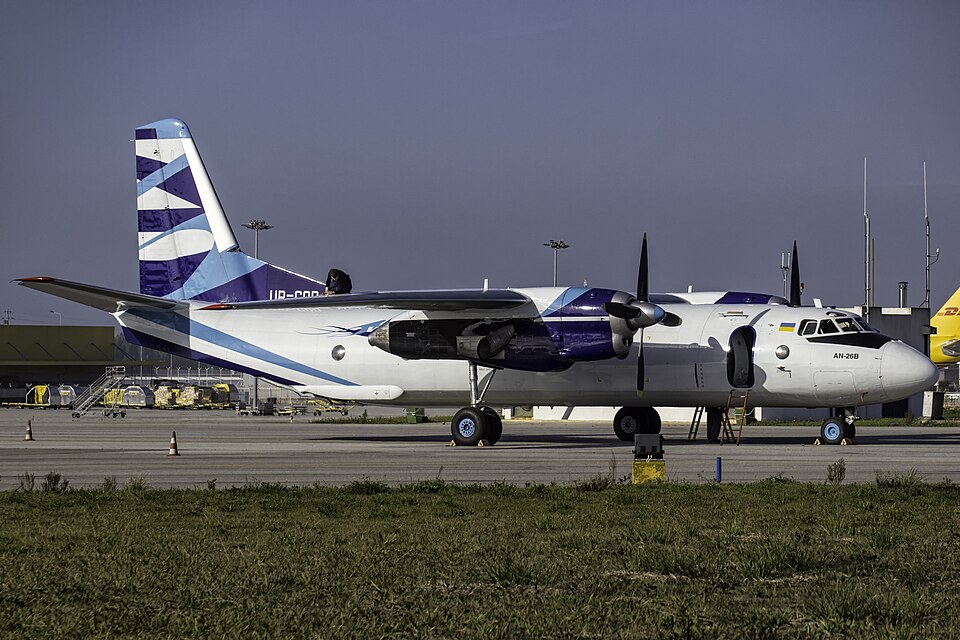
History of the Flight
After an uneventful flight, the aircraft was cleared for a LOC/DME approach to Runway 33 at Birmingham Airport. The commander had recently been promoted and was undergoing a line check by a senior manager. Visibility was good with a broken cloud base at 1,900 ft.
During the first approach, at 5.5 nm from touchdown the aircraft was at 2,500 ft, 500 ft above the platform altitude. It continued descending but then maintained about 2,000 ft beyond the approach descent point. At 3 nm it was 660 ft above the correct profile. ATC advised the pilots they were above the profile, then instructed a go-around. The aircraft climbed to 3,000 ft and was re-cleared for another LOC/DME approach.
On the second approach, the aircraft descended below the 2,000 ft platform altitude 2.9 nm before the procedural descent point. At 7 nm it was at 1,600 ft, 400 ft below the correct altitude. ATC passed altitude and range information but did not warn the pilots. The aircraft continued descending; at 6 nm it was at 1,500 ft, 500 ft below. ATC gave a terrain warning and instructed a go-around. The pilots initially replied they had the runway in sight and were approaching the glideslope; ATC informed them there was no glideslope and repeated the go-around instruction, which was then acknowledged.
ATC offered an ILS approach to Runway 15, which the pilots accepted under the prevailing wind conditions, and the aircraft landed without further event.
Airfield Information
In 2014, work extended the threshold of Runway 33 and installed a new ILS. Groundwater problems affected the glideslope aerial, leading to its removal from service in 2016. After drainage works, the glideslope was re-established but again taken out of service due to groundwater issues. Additional drainage was undertaken in July 2020, and the glideslope was finally re-commissioned in September 2020.
Other Information
The operator reported that the commander had previously flown non-precision approaches without difficulty. The aircraft's instrument panels had been modified earlier in the year, with some instruments changing position. The commander commented that he reduced the descent rate excessively on the first approach, causing the aircraft to remain above the profile. On the second approach, he had the runway in sight and intended to reduce the descent rate when ATC instructed the go-around.
Analysis
Based on the first approach profile, the pilots likely misinterpreted the approach or expected to intercept a glideslope. On the second approach, they began descent too early or commenced an early visual approach without notifying ATC. The routine nature of ATC height checks may have given the impression of correct descent. The manager conducting the line check did not intervene. Non-precision approaches are becoming less common; the commander cited the new instrument layout and pressure of the line check as affecting his performance. The return of the ILS may enhance safety of future approaches.