Synopsis
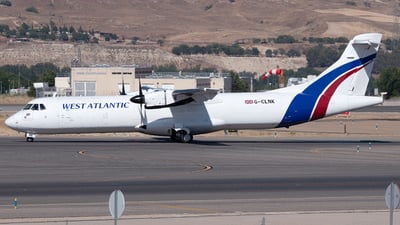
On 16 April 2021, an ATR 72-211 cargo aircraft, registration G-CLNK, operated a commercial cargo flight from Guernsey Airport. During the takeoff roll, a Unit Load Device (ULD) positioned in the centre of the aircraft slid rearwards into a vacant bay. After landing, as the aircraft braked, the ULD slid forward, breaking through the forward locks and coming to rest in a vacant bay forward of its original position. The damage was limited to the cargo rail, rollers, and locks.
History of the Flight
The aircraft had previously flown from East Midlands Airport to Guernsey with five freight containers. After unloading two ULDs, the remaining three were repositioned in positions C1, C3, and C5. The pilots checked the load against the loading report and closed the doors. During takeoff acceleration for a flight to Jersey, the crew heard a slight thud, which they attributed to water bottles moving. The 15-minute flight showed no change in aircraft feel or control. After a normal touchdown, braking produced a sliding noise followed by a loud thud felt through the airframe. After clearing the runway, the co-pilot inspected the load but could only see the ULD in position C1, which was correctly positioned. Ground handlers later discovered that the ULD originally in bay C3 had moved to bay C2.
ULD Loading and Locking
ULDs are filled, weighed, and assigned positions by loading planners. They are loaded through the forward cargo door and pushed along rails attached to the cargo bay floor. Locks between bays secure ULDs; they can be positioned down to allow sliding or up to restrain. For loading, the rear locks of the target bay should be raised, and the ULD pushed rearwards until it engages. Then the forward locks are raised. In this event, the locks to the rear of bay C3 were found down, while the forward locks were raised.
Examination
Operator examination revealed that locks and rails between bays C2 and C3 were damaged and dislodged. The locks to the rear of bay C3 were down. The locks between C2 and C3 had been pulled out of their floor tracks. The ULD that moved was undamaged, and no other aircraft damage occurred.
Investigation by Ground Handling Organisation
The ground handling organisation determined that when the ULD in bay C3 was moved into position, the locks between C3 and C4 were not raised and remained down. However, the forward locks were raised. The thud during takeoff was likely the ULD sliding rearwards to bay C4, stopping against the forward locks of the ULD in C5. During landing, the ULD slid forward, breaking the raised locks between C2 and C3, and was arrested by the raised locks behind the ULD in C1. The investigation could not determine how the ULD stopped in a position allowing forward lock engagement without the rear locks being raised. It was considered that friction, visual cues from green markers, and the forward locks becoming visible as the ULD moved over them probably allowed forward lock engagement without rear locks being raised.
Weight and Balance
An assessment confirmed that the aircraft remained within forward and aft limits throughout the flight, despite the ULD movement.
Safety Action
The ground handling organisation revised loading procedures to include an independent check verifying all locks are correctly positioned. The operator introduced 'void bay awareness' training during Operator Proficiency Checks across all fleets to highlight risks associated with empty bays.