Synopsis
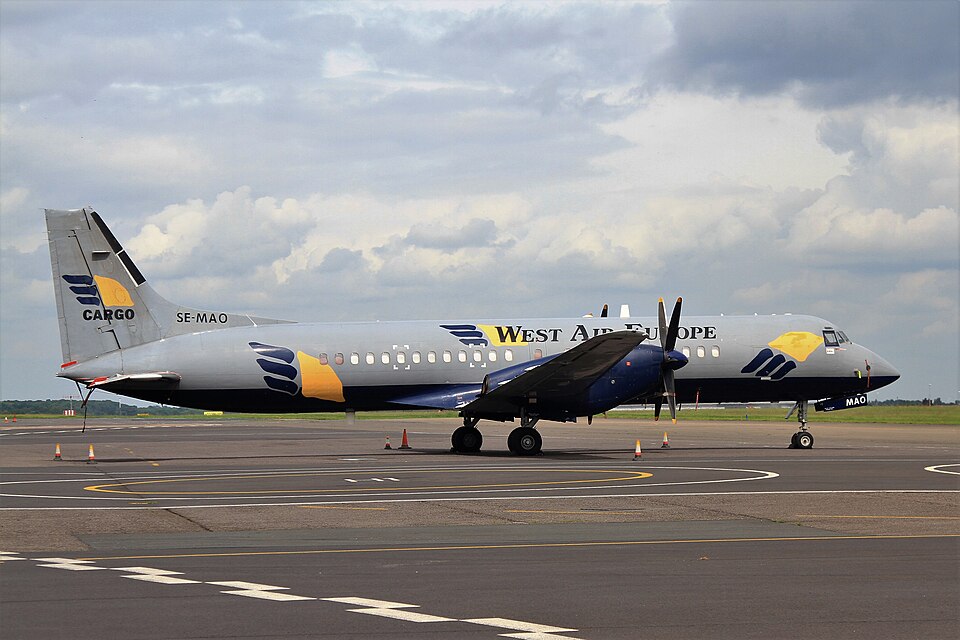
On 22 May 2020, a BAe ATP (registration SE-MAO) operating a cargo flight experienced a runway excursion during its second approach to Runway 33 at Birmingham Airport. The aircraft departed the paved surface to the left after touchdown, traveling approximately 450 m off the runway before returning. No damage was sustained, and the two crew members were uninjured.
History of the Flight
The aircraft departed Guernsey at 1142 hrs. Weather at Birmingham was forecast with strong southwesterly winds, good visibility, and a high cloud base. The co-pilot was pilot flying for the first approach. On short final, the aircraft drifted right of the centerline with the nose 20° left of runway heading. A go-around was initiated. For the second approach, the commander became pilot flying. At 2 nm from touchdown, ATC reported wind from 230° at 14 kt gusting 27 kt. Touchdown occurred at 1258 hrs, and shortly after, the aircraft veered left off the runway. The crew taxied to stand after inspection; ground personnel found no damage.
Recorded Information
The aircraft was equipped with a cockpit voice recorder, flight data recorder, and quick access recorder. Data analysis showed that during the second approach, the aircraft touched down with its heading 10° left of the runway. Full right rudder was immediately applied, but the nose continued left to 24°. Full right aileron was then applied, banking the aircraft and lifting the left main gear. Approximately five seconds after touchdown, the aircraft left the paved surface, turning right on the nose and right main gear. It returned to the runway after traveling off the pavement for about 450 m.
Aircraft Information
The BAe ATP is a twin-engine turboprop with a wingspan of 30.632 m. SE-MAO was built in 1989 and converted to cargo configuration in 2007. The aircraft's weight was approximately 30% below maximum takeoff weight, and center of gravity was within limits.
Meteorological Conditions
A low-pressure system west of the UK brought a moderate to fresh southwesterly flow to the Birmingham area, with gusts reaching 31 kt by early afternoon. The wind direction varied between 190° and 280°. Visibility and cloud bases were good. The ground was dry and hard due to recent lack of rain.
Safety Action
Following the incident, the operator introduced a crosswind limit for new co-pilots and incorporated crosswind landing training into simulator sessions.