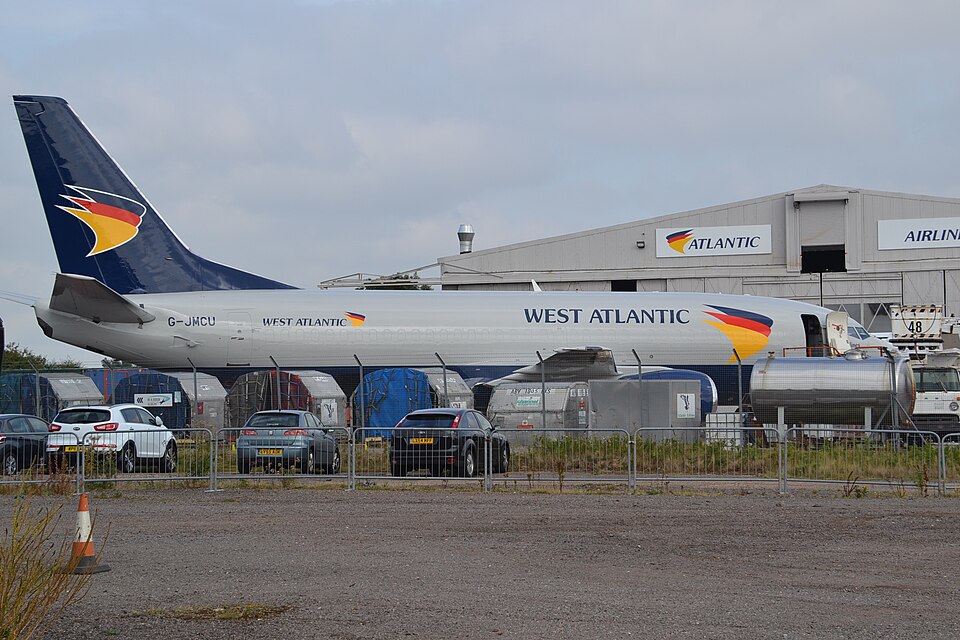
Incident Overview
A Boeing 737-301, registration G-JMCU, operated a cargo flight from Aberdeen Airport to East Midlands Airport on 6 March 2023 at 2236 UTC. The serious incident occurred when the aircraft departed with flaps set to position 1 instead of the planned flap 5. Two crew members were on board; no passengers, injuries, or damage resulted.
Flight Details
The commander, aged 44, held an Airline Transport Pilot's Licence and had 7,502 total flying hours, with 2,569 on type. The co-pilot was undergoing differences training from the Boeing 737 NG to the 737-300 series and previously flew the ATR 72. Snow conditions required de-icing on stand, necessitating Supplementary Procedure 16, which altered the normal flap-setting sequence. After pushback, heavy snow and reduced visibility (800 m during taxi) complicated the taxi to Runway 34. The commander called for flap 5; the co-pilot confirmed and set what they believed was flap 5. The commander visually checked the leading edge flaps extension green light, which illuminated when flaps are extended beyond zero.
After takeoff, the co-pilot called for flap retraction to flap 1, and the commander realized the lever was already in the flap 1 detent. They maintained flap 1 until accelerating to normal retraction speed, then retracted to clean configuration. During cruise, performance calculations revealed that the flap 1 takeoff speeds were similar to those calculated for flap 5, and the takeoff was adequate.
Recorded Data
The cockpit voice recorder (CVR) recordings had been overwritten by a subsequent flight, but a discussion during that later flight corroborated the pilots' account. The flight data recorder (FDR) indicated a normal takeoff; acceleration, pitch attitude, and climb rate were similar to four previous flap 5 departures from Aberdeen under comparable conditions. The CVR exhibited low volume on one channel and 400 Hz interference, which the operator later rectified.
Analysis
The investigation noted that poor weather and time pressure likely distracted the crew. The co-pilot may have reverted to the motor memory of selecting the first flap detent, which was correct on the recently flown ATR 72. The commander verified the green light but not the actual flap position indicator. Since flap 1 is a permissible takeoff setting on the 737-300, no configuration warning horn sounded. The incident highlighted that the green light only confirms flaps are extended beyond zero, not the specific setting.
Safety Actions
In response, the operator amended the 'Before Takeoff' checklist to require verbal confirmation of both the planned flap setting and the indicated flap setting. A Flight Staff Notice was issued, emphasizing the risk of flap mis-selections, particularly for pilots transitioning from the ATR 72.
Conclusion
The probable cause of the serious incident was an incorrect flap selection that was not detected before takeoff.