Synopsis
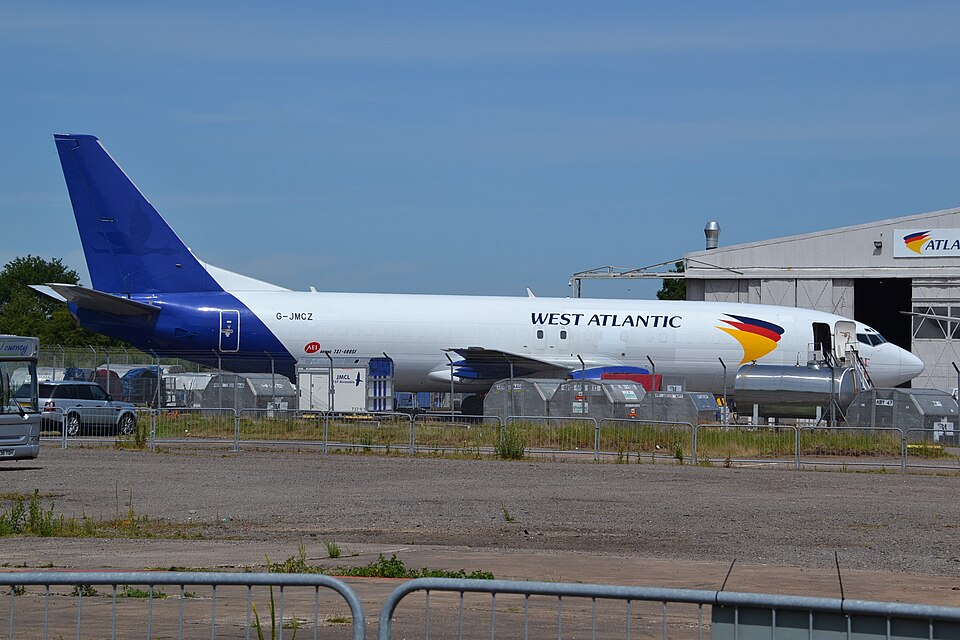
On 18 October 2023, a Boeing 737-4K5 (G-JMCZ) operating a cargo flight experienced a failure of the R61 forward galley contactor after landing at Belfast International Airport. The aircraft had returned from East Midlands Airport and was holding at position L1 when the APU generator was connected. Upon transferring power to the right bus, the contactor failed with a loud noise, flash, and fumes. The crew discharged a hand-held fire extinguisher behind the circuit breaker panel, after which no further signs of fire were evident. The associated circuit breaker had opened, isolating the contactor. No injuries were reported.
History of the Flight
The crew reported for duty at 2030 hrs and flew one sector to East Midlands Airport before returning to Belfast. The airborne flight was uneventful. The commander flew a VOR approach to Runway 07 and vacated at A1. ATC instructed the crew to hold at L1 to allow another aircraft to taxi out of the parking position. After landing checks, the APU was started. While stationary at L1, the APU became available. The pilot monitoring transferred the left bus to the APU generator, and when the right side was selected, a loud clunk and flash occurred. The circuit breaker panel behind the co-pilot's seat glowed orange, and a strong burning smell was noted. The co-pilot observed what appeared to be flames behind the panel. The commander transferred electrical power back to the engines, and the co-pilot discharged the fire extinguisher. ATC was informed, and fire services attended after the aircraft parked; no evidence of fire was found.
Aircraft Examination
The aircraft is a Boeing 737-400 series converted to a freighter under a Supplemental Type Certificate. The electrical system remained essentially the same. The APU generator can supply both AC generator busses. After the incident, the batteries were disconnected. The P6-2 circuit breaker panel behind the co-pilot's seat was lowered, revealing the melted R61 contactor. This contactor switches power to the forward galley from the left 115 V AC bus. Molten debris had fallen, and paint on the compartment floor was blistered. The forward galley circuit breaker had tripped. The contactor's housing was breached, and input terminals were destroyed. Apart from over-current evidence in the APU bus tie contactor, no other electrical issues were found.
Analysis
The cause of the contactor failure could not be definitively determined. Two possible causes were identified: loss of hermetic sealing allowing arcing inside the unit, or loose input terminal connectors causing external arcing. The short circuit generated heat and intense light, melting the housing. The increased current caused the circuit breaker to trip. The issue was isolated to the contactor. A power spike during generator transfer may have agitated the contactor, enabling an arc. The dark cockpit amplified the perceived intensity of the flash. Although the protection systems isolated the fault, residual heat and fumes persisted, making the crew's use of the fire extinguisher appropriate.
Conclusion
The R61 forward galley contactor failed, likely due to a loose connector or loss of hermetic sealing of the contactor housing. The failure caused arcing of the 115 V AC system. The associated circuit breaker tripped, isolating the contactor. The crew's response to use a fire extinguisher was appropriate given the information available.