What happened
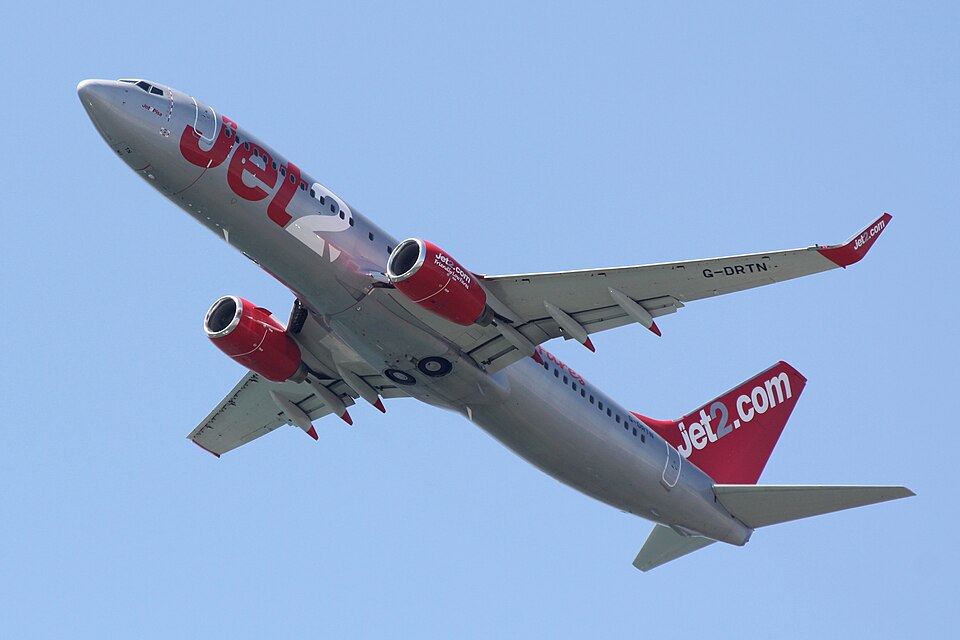
On 9 February 2020, a Boeing 737-86N, registration G-DRTN, was preparing for a commercial passenger flight at East Midlands Airport during the severe weather conditions of Storm Ciara. Due to high workload involving ground handling issues and heavy winds, the commander elected to have the co-pilot operate the takeoff.
As the aircraft accelerated, it encountered a transient reduction in airspeed. Upon reaching V1, the aircraft experienced a sudden decay in airspeed and a significant deviation from the runway centerline to the right. Fearing the aircraft might exit the runway, the commander initiated a rejected takeoff (RTO) approximately five seconds after passing V1. The crew successfully brought the aircraft to a halt with approximately 600 m of runway remaining.
The investigation
The AAIB examined flight data from the Quick Access Recorder (QAR), which confirmed a 13 kt reduction in airspeed prior to V1 and a subsequent decay after V1. The investigation also reviewed the cockpit environment, noting that while the automated V1 callout occurred, the crew did not verbally call V1 themselves. The investigation also looked into the impact of the heavy braking required to stop the aircraft.
Findings
- The aircraft encountered windshear near V1, which caused a loss of airspeed and a sudden rightward yaw.
- The commander's decision to reject the takeoff after V1 was influenced by the loss of directional control and the airspeed trend.
- High workload related to managing ground logistics and weather-related issues contributed to the commander's decision to delegate the takeoff to the co-pilot.
- The intense application of brakes during the RTO resulted in heat damage to the No 4 wheel and brake unit.
- The crew's focus on the recent emergency and the co-pilot's wellbeing likely distracted the commander from following QRH guidance regarding brake cooling and remote parking.