Incident Details
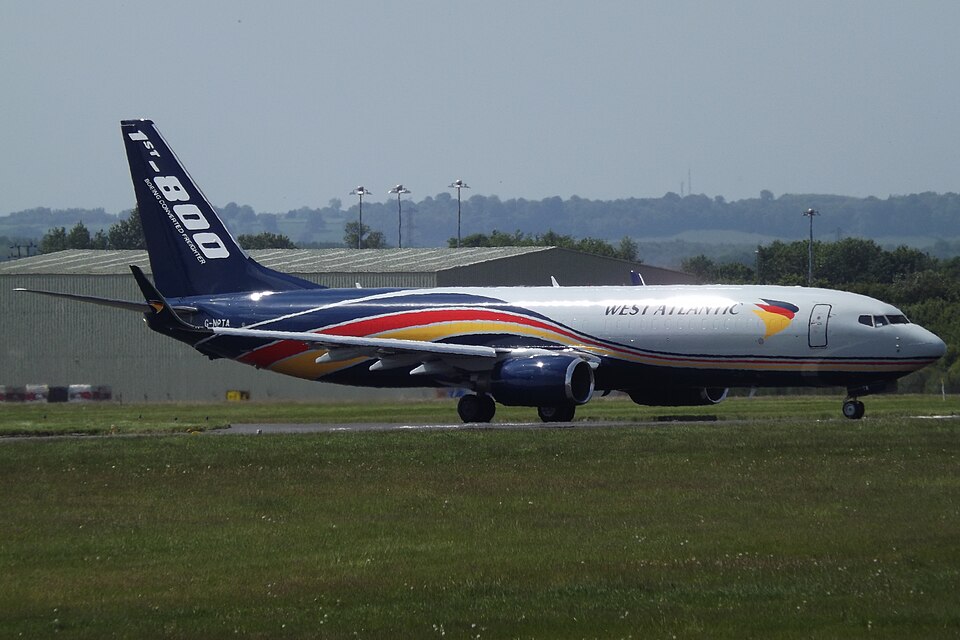
On 17 May 2025 at 0600 UTC, a Boeing 737-86N (registration G-NPTA) was operating a commercial cargo flight from East Midlands Airport (EMA) to Edinburgh Airport (EDI). The aircraft, manufactured in 2004 and powered by two CFM56-7B24 engines, was crewed by two pilots with no passengers on board. No injuries or damage were reported.
Due to the quantity of dry ice in the cargo, the operator's procedures required the air conditioning pack control switches to be in the high position for the flight. The commander described this as an unusual pack configuration.
Flight Crew Actions
While approaching the top of descent, the cabin altitude warning sounded. The flight crew donned their oxygen masks and executed an emergency descent. After levelling off, the commander checked the overhead panel and found both pack switches selected off. Switching them back on restored pressurisation, and the flight continued to Edinburgh without further incident.
Commander's Assessment
The commander stated he was convinced that the packs were operating when the aircraft departed East Midlands and that he had not noticed any switches out of place during a scan of the overhead panel at the top of climb. He concluded that the switches must have been selected off during flight, but neither he nor the co-pilot recalled doing so. He considered it possible that the switches had initially been in the normal on position and that the wrong unusual configuration (off rather than high) had been selected to correct what they perceived as a mistake.