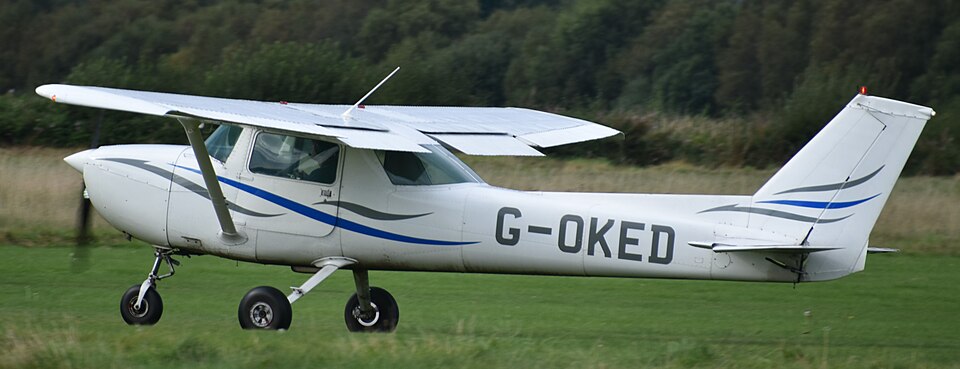
History of the Flight
The pilot, the sole occupant, flew G-OKED to check the aircraft's radios, which took longer than anticipated. Returning to Clipgate Farm Airfield, he established an approach to Runway 20 at 65 mph with flaps set at 30°. Determining the aircraft was high, he selected flap 40° to increase drag temporarily, intending to mimic glider airbrake usage. After regaining the desired glidepath, he retracted the flaps to what he believed was 30° but inadvertently moved them further. The weather was hazy, with the sun impairing his view of the airspeed indicator during final approach.
Landing and Impact
The pilot recalled the flare lasting longer than expected. After touchdown, brake application caused the aircraft to skid on the damp grass surface. The aircraft collided with a hedge at the runway end. The pilot described the impact as light, but the nosewheel struck a tree stump, breaking its mounting support tubes. The aircraft tipped forward, and the propeller embedded in the ground. Following the accident, the flaps were found set at 20°, not the intended 30°. The pilot noted a possible tailwind and a damper runway surface than initially assessed.
Damage
Slight damage to the end of the propeller blade, collapsed nosewheel landing gear, and damaged engine cradle.
Conclusion
The pilot used flap as an airbrake, then retracted it partially before landing. This, a tailwind during the approach, and a damp runway increased the landing distance required, and the pilot was unable to stop the aircraft in the distance available.