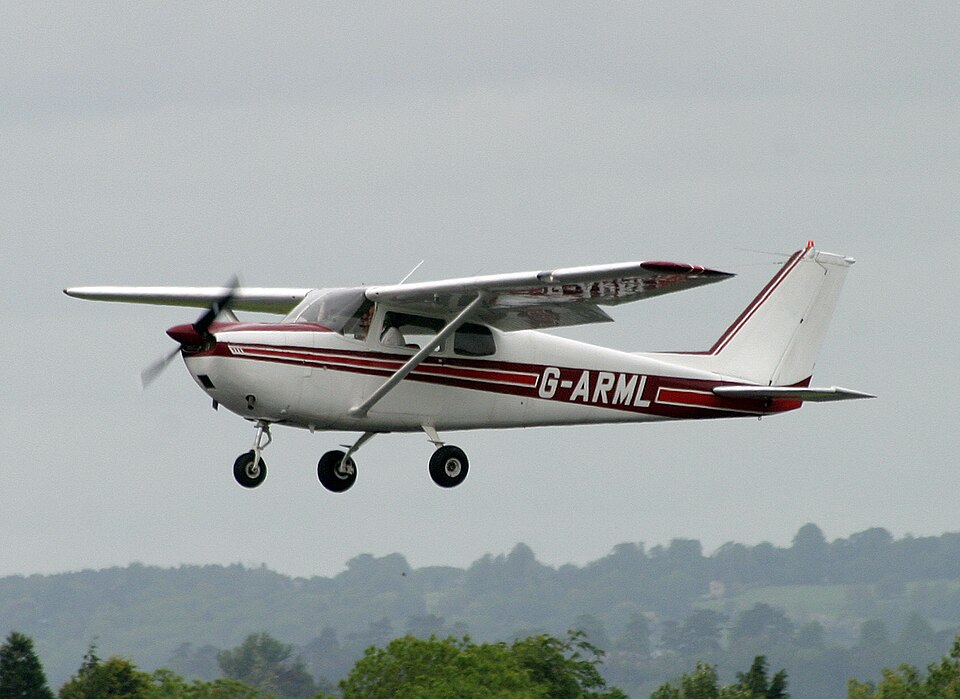
Accident Overview
On 24 April 2014 at 1720 UTC, a Cessna 175B Skylark (registration G-ARML, serial no. 175-56995) sustained damage during an aborted takeoff from a private airstrip in Slinfold, West Sussex. The aircraft was powered by a single Continental Motors Corp GO-300-D piston engine and was conducting a private flight with one pilot and two passengers. No injuries were reported among the occupants.
History of the Flight
The pilot intended to depart from the grass strip for a local flight. The wind was light, from 220° at 5 kt, favouring Runway 22, which had a total length of 650 metres. After normal start-up and power checks, the pilot taxied to the runway threshold with flaps set at 20° for a short-field takeoff. The takeoff roll progressed normally until, at approximately 45 kt, the aircraft ceased to accelerate and the speed remained steady. The pilot progressively raised the nose, but the aircraft neither accelerated nor became airborne, and the stall warning sounded.
Recognizing that he was approaching the point where he had lifted off on an earlier flight that day, the pilot concluded the aircraft's performance was degraded. He decided to abort the takeoff, closed the throttle, and applied full braking. Anticipating that the aircraft would not stop before the runway end, he shut down the engine using the mixture control. The aircraft then left the runway and rolled into a ditch at a speed of about 5 kt. The impact detached the nose landing gear rearward and caused the propeller to strike the ground. The aircraft came to rest with its main wheels in the ditch. After switching off the electrical system and fuel, all occupants evacuated through the normal doors.
Damage
Damage included detachment of the nose landing gear, and damage to the propeller, engine, firewall, fuselage skin, and cowling.
Pilot's Statement
The pilot could not offer a conclusive explanation for the lack of performance but stated his personal view that carburettor icing may have been responsible. He had applied carburettor heat for about 10 seconds during pre-takeoff checks, but approximately 5 minutes elapsed between that application and the departure attempt.