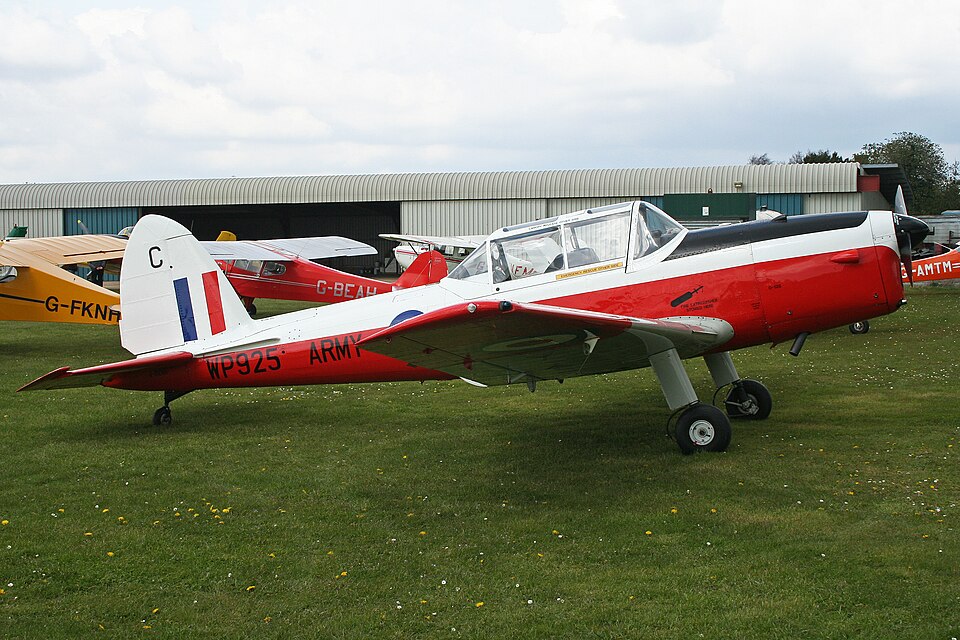
History of the Flight
On 22 March 2022 at 1410 UTC, a DHC-1 Chipmunk 22 (registration G-BXHA) was conducting a training flight from Sevenoaks, Kent. During the initial climb, the pilot noticed subtle airframe vibration but continued due to lack of recency on type. While manoeuvring, vibrations increased abruptly, making instrument reading difficult. The pilot returned to the airfield; during taxi, the vibration caused the low voltage warning light to fall out of the instrument panel. No injuries occurred.
Aircraft Information
The aircraft, manufactured in 1952, was equipped with a Gipsy Major 10 Mk 2 piston engine and a Fairey Reed A66753/X1 fixed-pitch aluminium propeller. The propeller assembly includes forward and aft boss blocks (cast aluminium) mounted on a splined engine hub, secured by eight bolts and nuts.
Maintenance History
In November 2000, the propeller and boss blocks were replaced with an overhauled assembly. In April 2015, an eddy current inspection was performed (reason not recorded) but no damage found. In April 2017, Service Bulletin (SB) FRP.001.1 was carried out, requiring visual inspection for cracks; dye penetrant inspection was not performed if doubt existed. No record of damage. The propeller had flown 97 hours since that inspection.
Examination of Propeller Assembly
Two cracks were found in the propeller, four in the forward boss block (one primary fatigue fracture, three secondary overload) and three in the aft boss block (overload). The primary fatigue crack in the forward boss block originated from a worn area on the inner diameter due to fretting from the splines. The propeller's primary fatigue crack initiated at a hub bolt hole; a secondary crack also at another bolt hole. Evidence of fretting and corrosion was found on the engine hub splines, with corresponding marks on the boss blocks and propeller. One propeller mounting bolt was bent; torque values were normal.
Surface finish of the bolt hole radii and propeller face was not 'smooth and highly polished' per manufacturer's specification, but this was not considered the primary origin of fatigue.
Analysis of Fracture Surfaces
Metallurgical examination showed the forward boss block primary fracture initiated from fretting-induced wear. Oxide deposits indicated slow initial crack growth followed by acceleration. The propeller primary crack initiated from opposite sides of a bolt hole; on one side, a small gouge was present but not significant. The secondary crack also initiated from a bolt hole radius without pre-existing damage.
It was assessed that the primary crack in the forward boss block reached about 20 mm; then the propeller primary crack separated, followed by forward boss block separation and overload failure of both blocks.
Conclusion
The initiating failure was caused by fatigue cracking of the forward boss block and propeller, resulting from fretting and corrosion. The existing SB does not specify inspection of the inner diameter of the boss blocks for wear or corrosion.
Safety Action
The aircraft Type Responsibility Agreement holder will promulgate a Technical News Sheet with enhanced guidance for continued airworthiness of Fairey Reed propellers, including non-destructive testing and inspections for corrosion, fretting, and correct surface finish. The CAA and LAA will work together to disseminate this guidance to owners of aircraft with this propeller type operating under UK certificates or permits.