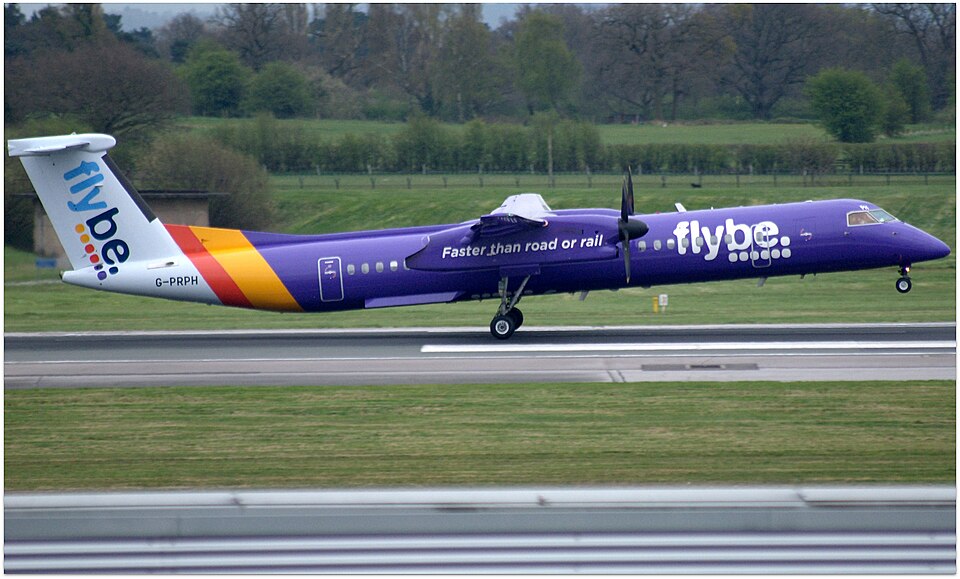
Synopsis
During a routine turnaround at Leeds Bradford Airport, a DHC-8-402 Dash 8 (registration G-PRPH) experienced an anomaly after the Auxiliary Power Unit (APU) was switched off. The 'APU STARTER' light illuminated and remained on despite system shutdowns. A subsequent re-start attempt using a ground power unit resulted in smoke emanating from the rear of the aircraft, prompting a rapid passenger disembarkation. Examination revealed that the APU starter/generator had overheated, probably due to a failure of the APU contactor.
History of the Flight
Approximately five minutes before pushback, the flight crew detected a strong odor resembling a burning clutch in the flight deck and forward cabin. The captain requested the dispatcher to inspect the rear of the aircraft, but nothing unusual was found. The odor dissipated within 10 to 15 seconds and was attributed to a passing truck.
At 1956 hrs, the aircraft pushed back and started the right engine for a single-engine taxi. Once the engine was running and electrical systems were powered, the APU was switched off. During the AFTER START checks, the APU starter light illuminated even though all switches were off. The captain consulted the Quick Reference Handbook for APU STARTER FAILURE drills. While performing the drills, additional caution lights appeared on the primary flight displays, engine display, and central warning panel, with the APU starter light remaining on. Consequently, the aircraft and engines were shut down.
The captain contacted maintenance control, who suggested resetting the system using a ground power unit (GPU). After the GPU was connected and operating, the aircraft batteries were turned on. About five seconds later, the batteries began discharging rapidly, and three flight deck display screens went blank, but the APU starter light remained illuminated. The captain informed maintenance control of his intent to completely shut down the aircraft. During this discussion, ground crew reported smoke rising from the tail. ATC was notified, and fire crews were summoned. No smoke was observed in the cabin or flight deck, but fire crews saw smoke from the rear and recommended a controlled evacuation via ATC.
The captain switched off the battery master switch and ordered the senior cabin crew member to initiate a rapid disembarkation. With aircraft systems shut down, the evacuation was conducted without the public address system. Passengers exited quickly and orderly via the forward left door, leaving their belongings behind.
Aircraft Examination
Engineering staff from a Part 145 maintenance organization at the airport examined the aircraft and found heat damage on the APU starter/generator. The starter/generator and the K26 contactor, which connects the starter/generator to the right main bus, were replaced. The aircraft subsequently returned to service.
Discussion
The exact cause of the failure was not determined. However, based on the event description and experience highlighted by the aircraft manufacturer, the main contacts within the K26 contactor may have welded together. This would have caused the starter/generator to remain powered whenever the right main bus was live. The manufacturer introduced a procedure to inspect the main contact surfaces at every C check. An assessment of the aircraft's maintenance records was not possible, so it could not be determined whether the contacts had been inspected during G-PRPH's last C check.