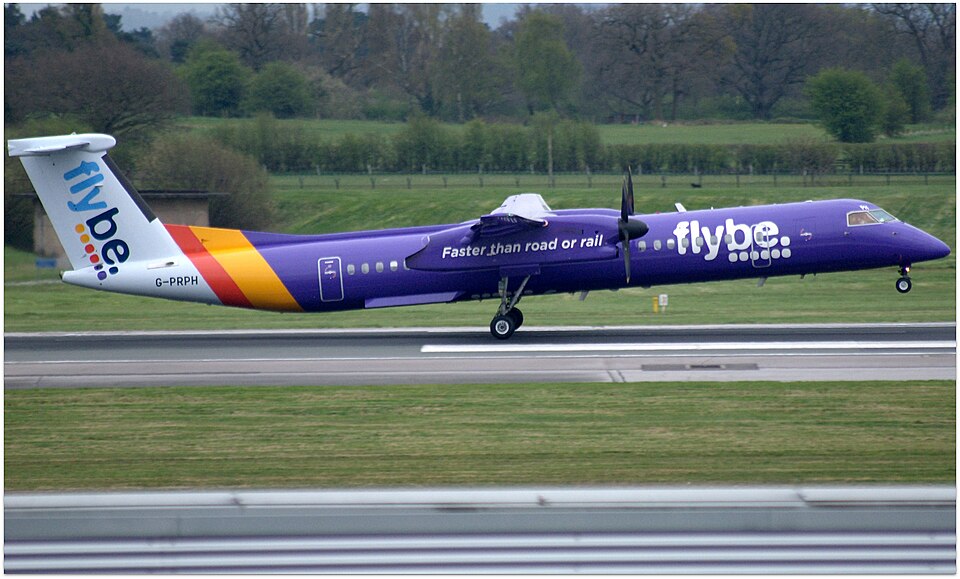
History of the Flight
The commander reported that while descending through FL120, the central warning system emitted a triple chime with a red indication of low oil pressure on the No 2 engine. The oil pressure gauge showed 17 psi and decreasing. The engine was already near flight idle due to the descent. As pressure continued to drop, the commander shut down the No 2 engine, after taking over control from the co-pilot. The crew performed vital actions and consulted the Quick Reference Handbook. The commander briefed the cabin crew, informed air traffic control, and obtained destination weather. A normal single-engine landing followed radar vectoring to the instrument landing system.
Aircraft Information
The DHC-8-400 uses hydraulic systems on each propeller, including an overspeed governor that increases blade pitch if propeller speed becomes excessive. A solenoid valve on the governor can be tested from the flight deck. All propeller control functions use the same oil supply as the engine lubrication system. Functional testing is typically performed on the first flight of the day.
Examination
After landing, the No 2 engine was examined. The propeller overspeed governor ground reset solenoid valve cap had separated from its body, allowing engine oil to leak under pressure until most of the system contents were lost. The governor unit was sent to the AAIB. Examination showed the cap had detached because all four ultra-high tensile steel bolts securing it had failed, predominantly in fatigue. One bolt showed fatigue failure, a second started as fatigue then changed to overload, the third had fatigue in the reverse direction, and the fourth was a complex fracture. Striation counting indicated one bolt had more than 7,000 cycles to failure.
Discussion
The manufacturer reported three other similar failures, but all on different aircraft types and earlier modification states. The governor operates in a vibratory environment that can cause fatigue. The number of operational overspeed tests was far fewer than the fatigue cycles observed, suggesting vibration accounted for most cyclic loading. The bolts used were a substitute with machined threads instead of rolled, but the manufacturer determined this should not reduce life, and many units have been dispatched with such bolts without issues. The cause of the bolt fatigue was not conclusively identified. Possibilities considered included environmental factors, tampering, or assembly issues such as incorrect torque. Lower than specified assembly torque could not be ruled out, as it leaves no conclusive evidence.
Conclusion
The loss of oil pressure resulted from detachment of the solenoid cap due to bolt fatigue failure. The root cause of the fatigue was not established, but the possibility of a lower than specified torque during assembly could not be excluded.