History of the Flight
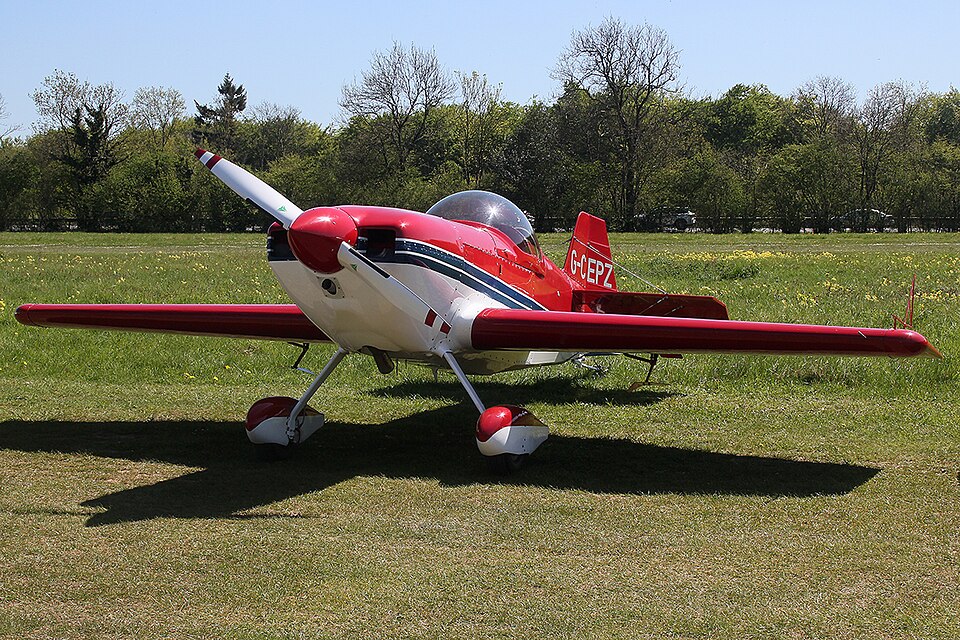
On 5 June 2016 at 1235 UTC, a DR 107 One Design (registration G-CEPZ) was on a private flight from Thruxton to Membury Airfield, Berkshire. The pilot, a 32-year-old male with 200 hours total experience (1 hour on type), joined the circuit downwind to land on grass Runway 13. The join and circuit were uneventful.
During the final approach, the pilot lost sight of the actual runway threshold and confused it with the Runway 17/35 intersection. Upon touchdown, she immediately recognized the mistake and realized the landing distance available was significantly reduced. Deciding against a go-around due to insufficient remaining runway, and aware of a stationary aircraft and trees at the end of the runway, she applied maximum braking.
Damage
The lightweight tail-dragger design caused the aircraft to tip forward onto its nose due to the extreme braking. The propeller, main landing gear, main spar, and underside surfaces of both wings were damaged. The pilot was uninjured.
Discussion
In the pilot's own analysis, the misidentification was attributed to two factors: unfamiliarity with the airfield, and the runway after the intersection appearing more defined during the final approach compared to the wider, less defined preceding section.