History of the Flight
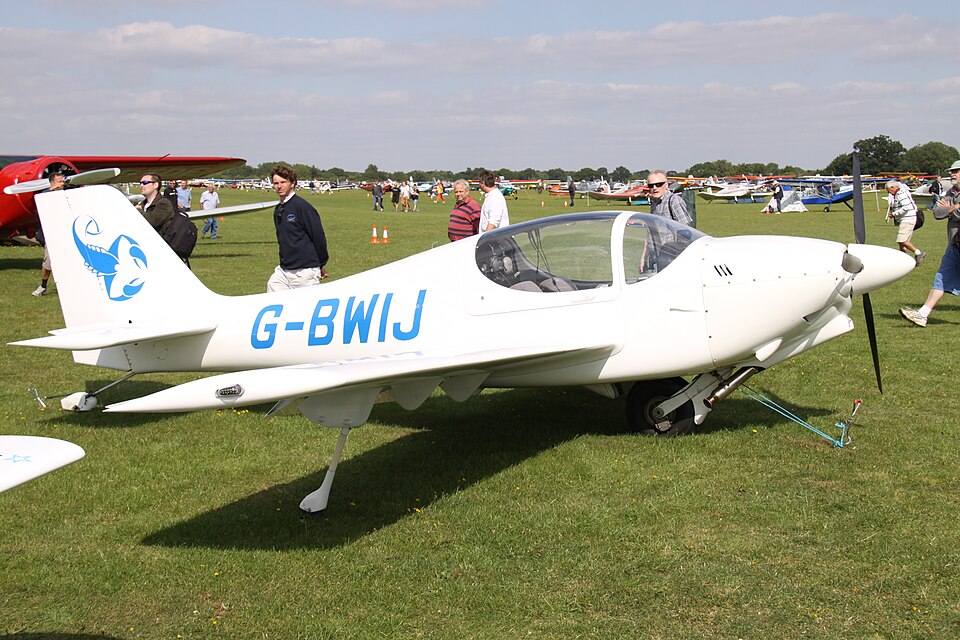
On 24 June 2017 at 0920 UTC, the pilot of a Europa aircraft, registration G-BWIJ, was conducting a private flight from Milson Airstrip, Shropshire, to Croft Farm Airstrip, Worcestershire. The aircraft, built and owned by the pilot, featured a monowheel landing gear with outriggers. The pilot, aged 70, held a Private Pilot’s Licence and had 673 total flying hours, with 138 hours on type. He had flown 6 hours in the last 90 days and 4 hours in the last 28 days. The pilot reported that he had been unable to maintain regular flying practice for 14 months before the flight but had recently resumed flying.
Weather conditions were fine with good visibility and a westerly wind of 10 kt. The pilot was familiar with Croft Farm Airstrip and made an approach to grass Runway 27, which measures 570 m in length and 18 m in width. He realized during the approach that he was high and fast and considered a go-around but believed the landing was manageable.
On touchdown, the aircraft bounced. The pilot applied power to go around. As the aircraft began to climb, vibration and a lack of power became apparent. He decided to land in a nearby field to the left. The target field appeared short, so he aimed to touch down at its start. He reduced power at what he thought was the appropriate moment, but the aircraft dropped and touched down short, landing in a standing maize crop. The aircraft stopped quickly and remained upright. The pilot, wearing a full harness, vacated the aircraft unassisted.
Damage
Inspection after the accident revealed that the propeller had struck the runway during the bounced landing and was damaged. There was also minor damage to the airframe.
Pilot's Assessment
The pilot attributed the accident to a shortage of flying practice over the preceding 14 months, particularly circuit flying, which he stated led to his misjudgment of the landing.