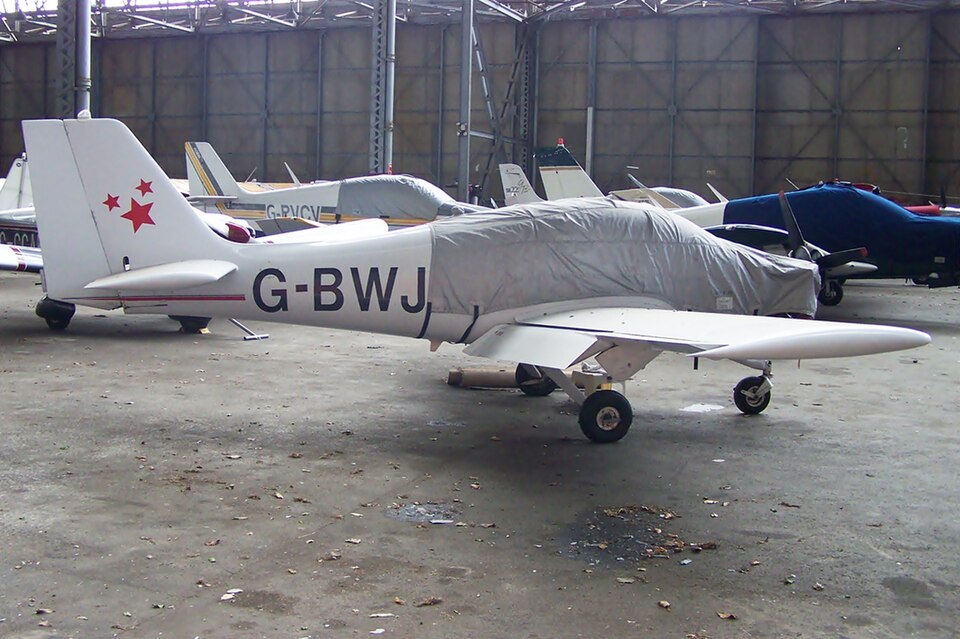
Aircraft and Flight Details
The aircraft, a Europa (registration G-BWJH) with a single Rotax 912-UL piston engine, was conducting training circuits in preparation for a requalification competence test. The pilot, aged 64, held a National Private Pilot’s Licence with 650 hours total flying experience, including 53 hours on type. He had flown only 1 hour in the last 90 days and none in the last 28 days. An instructor accompanied him.
History of the Flight
The pilot carried out two approaches he considered too high, executing go-arounds. The instructor then took control, demonstrated a correct approach, and after a touch-and-go handed control back. The pilot flew a satisfactory circuit and approach. However, on touchdown the aircraft bounced twice. The pilot applied full power for another go-around. At that point, the left wing dropped, and despite full aileron input, the wingtip contacted the runway. The aircraft slewed left and came to rest on soft grass at the runway edge. During this, the nose landing gear collapsed.
Damage and Injuries
Inspection revealed significant damage: the nose landing gear collapsed, propeller strike occurred, and abrasion to the underside of the fuselage, left wingtip, and aileron. The pilot and instructor were uninjured and vacated the aircraft.
Pilot and Instructor Comments
The pilot attributed the difficulties to his lack of currency, which he believed led to a mishandled landing. The instructor opined that the go-around could not be executed because the left wing stalled after the second bounce.