Accident Details
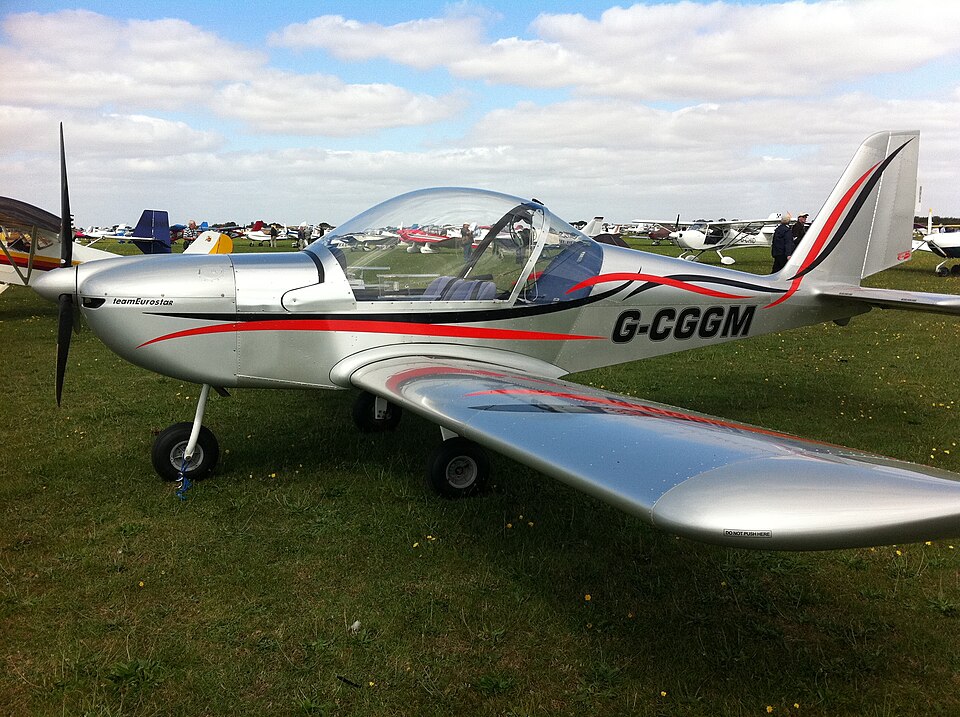
At 1155 UTC on 8 April 2017, a private flight in an EV-97 Teameurostar UK Eurostar, registration G-CGGM, returned from a local flight and landed on grass Runway 24 at Wycombe Air Park, Buckinghamshire. The pilot reported that the parallel hard runway was closed due to an incident, so he used the grass runway. Visibility was good and the wind was light. After landing, the aircraft bounced several times, resulting in damage to the nose landing gear. The pilot noted that the steering function was impaired and excessive vibration occurred, but he was able to taxi to his usual parking spot on the north side of the airfield.
Aircraft and Pilot Information
The aircraft was a single-engine EV-97 Teameurostar UK Eurostar, manufactured in 2009 (serial number 3401). It was powered by a Rotax 912-UL piston engine. The pilot held a National Private Pilot’s Licence, was 54 years old, and had 121 total flying hours, all on type. In the 90 days before the accident, he had flown 4 hours; in the 28 days before, also 4 hours.
Damage
Examination revealed extensive damage to the nose landing gear and surrounding structural components, including the floor pan, firewall, nose leg, steering rods, and engine frame. The pilot sustained no injuries.