Accident Overview
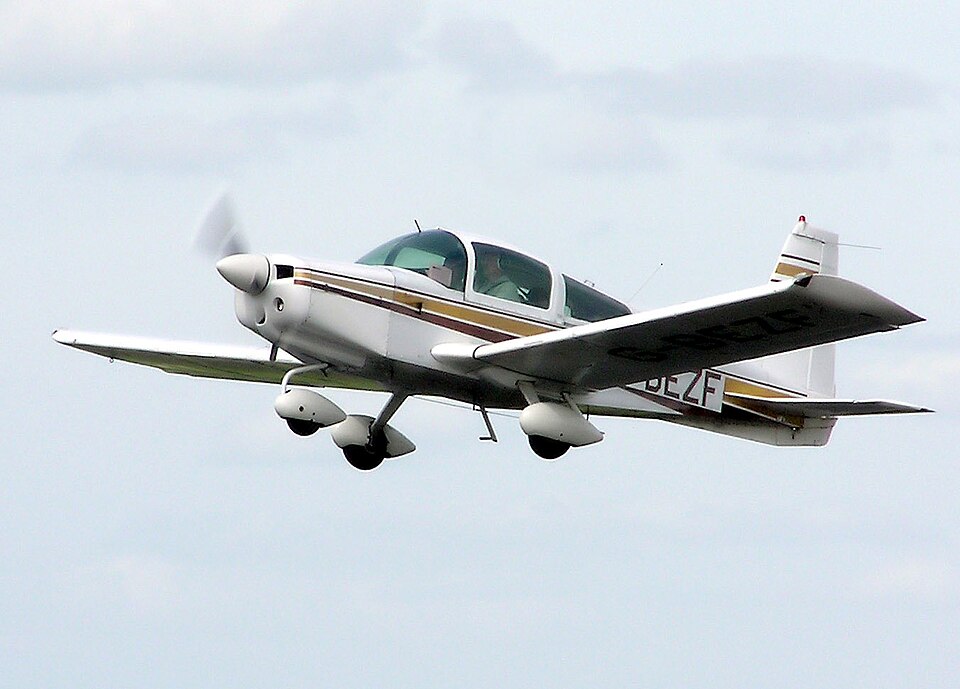
On 2 September 2018, at approximately 1020 UTC, a Grumman AA-5 Traveller (registration G-BEZF, serial no AA5-0538, manufactured 1974) was involved in an accident at Turweston Aerodrome in Buckinghamshire. The aircraft was powered by a single Lycoming O-320-E2G piston engine. The flight was a private trip planned from Turweston to Coventry Airport.
Pilot and Occupant Information
The commander held a Private Pilot’s Licence, was 42 years old, and had accumulated 166 hours total flying experience, of which 98 hours were on the same type. In the previous 90 days he had flown 6 hours, with 0 hours in the last 28 days. One passenger was on board: another pilot who occupied the right seat.
Sequence of Events
After completing a walk-round inspection and pushback, the pilot performed the pre-start checklist and started the engine. Upon receiving taxi clearance, he released the brakes and opened the throttle to begin taxiing. The aircraft then veered sharply to the left. The pilot initially applied full pressure to the right brake pedal, then—when the aircraft did not respond—applied full pressure to both brake pedals. Judging that the aircraft was about to strike a parked aircraft, he closed the throttle while the accompanying pilot selected the mixture to off. The engine stopped, but the propeller was still rotating when G-BEZF struck the parked aircraft. Both occupants exited the aircraft without assistance and sustained no injuries.
Damage
The propeller received scratches, and the elevator of the aircraft that was parked was damaged.
Reported Cause
The pilot reported that the collision resulted from a brake failure, which prevented him from steering or stopping the aircraft. He commented that checking the brake pressure prior to engine start might have identified the fault before taxi commenced.
Post-Accident Examination
Following the accident, another member of the syndicate tried the brakes with the aircraft stationary and the engine off. The left side brake pedals felt very soft, while the right side pedals felt normal. The syndicate member subsequently reported that the aircraft maintainer found no faults when he checked the brakes and assessed that the 'feel' of the brake pedals was within normal experience.
Additional Information
The AAIB issued a bulletin correction concerning this report prior to publication; full details are available on the AAIB website.