History of the Flight
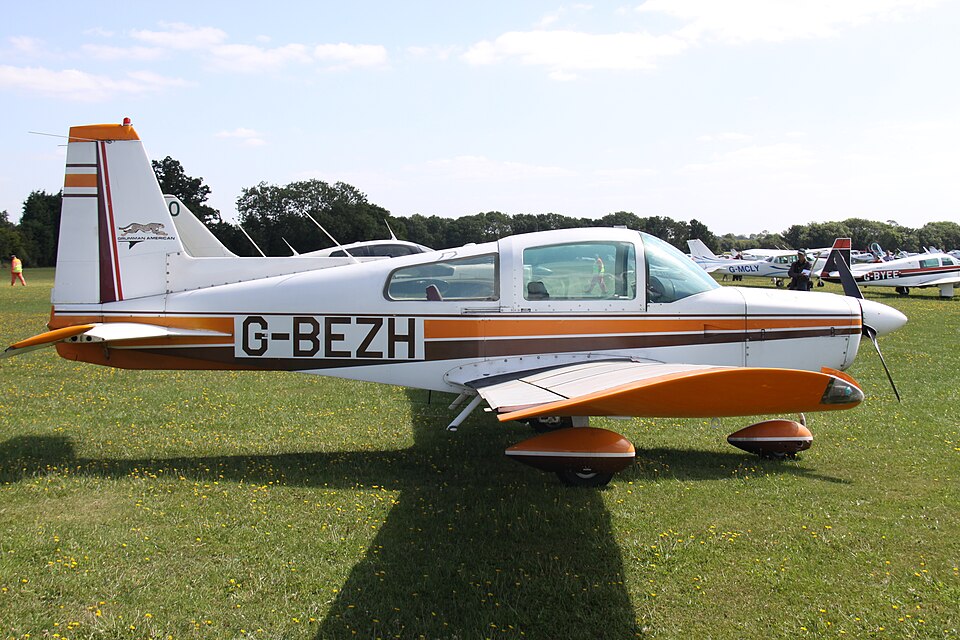
On 30 January 2019, a Grumman AA-5 Traveller, registration G-BEZH, was being prepared for a training flight at Nottingham City Airport. The instructor and student pilot assessed the surface conditions on the apron and taxiway, given an overnight ground frost. The weather was good with visibility over 10 km, no clouds, light wind from 250° at 5 kt, temperature 0°C and dewpoint -1°C, indicating high relative humidity. The pilots decided to proceed with caution regarding ground conditions and possible carburettor icing.
The aircraft was taxied for departure from Runway 21. During pre-takeoff checks, the student selected carburettor heat and observed a drop in engine rpm, confirming the system functioned properly. After a further check of airfield conditions with ATC, carburettor heat was reselected at 2,000 rpm while the student checked engine temperatures and pressures, then set full power for takeoff.
The takeoff was normal until passing 150 ft above aerodrome level, when the engine emitted two popping sounds and the rpm rapidly dropped to zero. The instructor immediately took control, turned away from housing, and performed a forced landing into a field adjacent to the airport. During the ground roll on soft ground, the nose and left main landing gear detached, and both wings sustained damage. After stopping, both occupants exited normally without injury.
Despite extensive use of carburettor heat, the instructor considered carburettor icing a possible cause but could not rule out other causes.