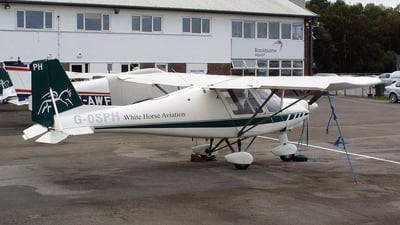
Incident Overview
On 16 February 2018 at approximately 1140 UTC, a solo student pilot was practicing circuits at Membury Airfield, Berkshire, flying an Ikarus C42 FB100 Bravo (registration G-OSPH). The aircraft, equipped with a single Rotax 912 ULS piston engine, had been manufactured in 2012. The pilot, aged 47, held a student licence and had accumulated 79 hours of flying experience, all on type, with 7 hours in the previous 90 days and 3 hours in the last 28 days.
Sequence of Events
The pilot had completed three successful circuits with glide approaches to Runway 23. During the fourth circuit, after a normal touchdown, a gust of wind caused the aircraft to become airborne again. The pilot over-corrected in pitch, resulting in the aircraft striking the runway on the nosewheel. This initiated a series of bounces. The pilot attempted a go-around, but the aircraft departed the runway to the left and struck trees adjacent to the runway.
Damage and Injuries
The aircraft sustained damage to the propeller, nose landing gear, both left and right wings, and the right tailplane. The engine was shock-loaded. The pilot, the sole occupant, reported no injuries.
Pilot's Assessment
In the report submitted to the AAIB, the pilot stated that an earlier decision to go around may have prevented the accident. No other causal factors were identified in the source material.
Investigation Source
Information for this article was derived from the Aircraft Accident Report Form submitted by the pilot and published in AAIB Bulletin 5/2018 (EW/G2018/02/07).