History of the Flight
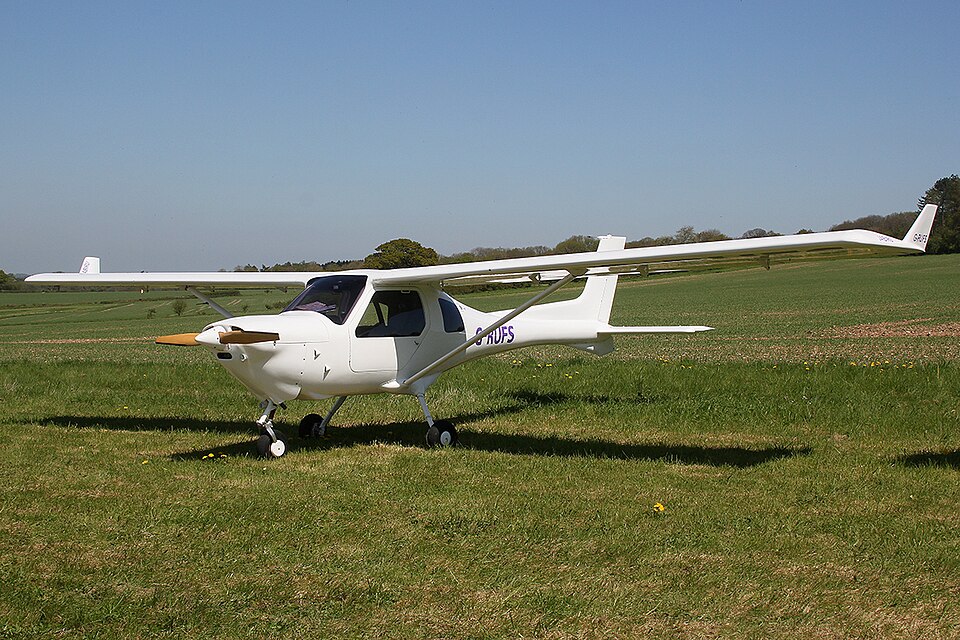
The pilot and passenger were returning from Bakersfield Airfield to Lower Upham Airfield. At 1350 UTC, the pilot estimated an easterly wind at 6 kt and elected to land on the easterly runway. The approach was normal with full flap at 55 kt. On touchdown, the aircraft bounced, and the pilot initiated a go-around. Full power was applied, but the aircraft did not climb as expected. The airspeed dropped to 45 kt before recovering to 55 kt, and the first stage of flap was retracted. The engine appeared to operate normally. With rising ground and trees ahead, the pilot attempted a right turn before the aircraft struck the ground.
Injuries
Both the pilot and passenger sustained serious injuries.
Accident Site
The aircraft came to rest facing opposite its flightpath. Trees at the upwind end of the runway were struck. Ground impact marks were found approximately 10 m from the final resting position.
Aerodrome Information
Lower Upham Airfield has a grass runway approximately 550 m long, 560 ft above mean sea level. The runway slopes upward from west to east; the accident location is 80 ft higher than the easterly threshold.
Meteorology
The weather was clear and sunny, surface wind from 090° at 6 kt, visibility 20 km, temperature 33°C. Nearby Gloucestershire Airport reported similar conditions.
Aircraft Performance
The aircraft weight was estimated at 407 kg. Previous check flights showed climb rates between 857 and 923 fpm at lower temperatures. The density altitude at the time was 2,720 ft, corresponding to a 25% reduction in climb performance based on FAA guidance.
Conclusion
It is likely that the reduced climb performance due to the high ambient temperature meant the aircraft was unable to climb sufficiently to clear the trees at the end of the runway.