History of the Flight
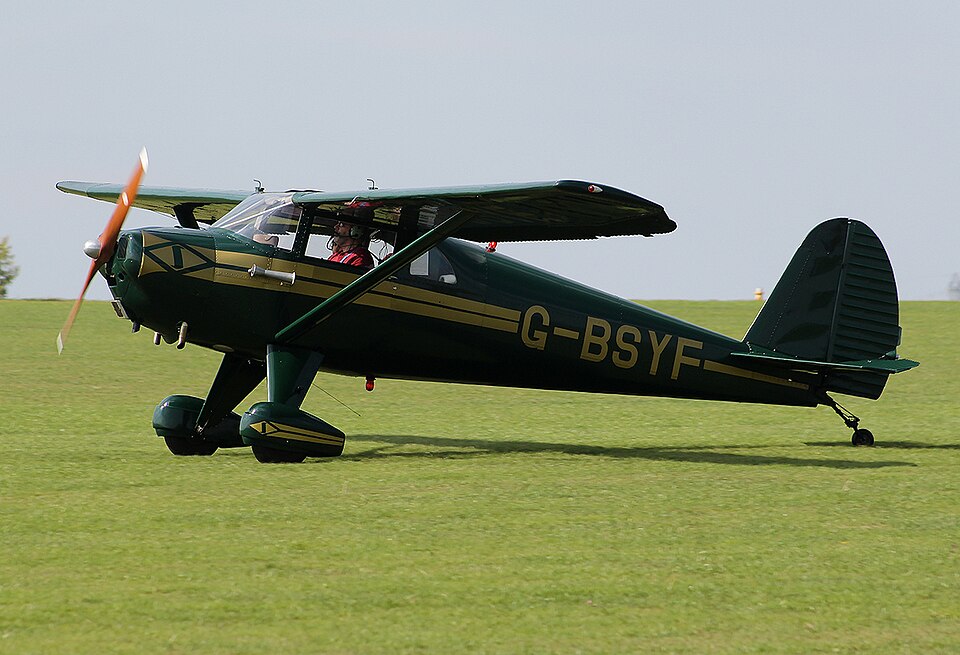
On 23 July 2022, at approximately 1200 UTC, a Luscombe 8E (registration G-BSYF) was involved in an accident near East Winch, Kings Lynn, Norfolk. The pilot, flying a private flight from Coldharbour Farm Airfield, Cambridgeshire, to Fenland Airfield, Lincolnshire, via Hunstanton, experienced a rough running engine south of Kings Lynn. Applying carburettor heat had no perceptible effect. With the engine at full throttle and descending through 1,000 ft agl, the pilot elected to make a precautionary landing. The chosen field had no tall crop, and the landing was successful with no damage to the aircraft.
After checking under the cowls and confirming normal compression when turning the propeller, the pilot started the engine, which ran smoothly. He cleaned the fuel filter and ran fuel through the gascolator, concluding that carburettor icing had caused the power loss.
Takeoff Attempt
Examining the field, which contained low-growing sugar beet, the pilot decided to attempt a takeoff to avoid the risk of damage from dismantling the aircraft for transport. Hard soil tracks from farm machinery ran along the field, and the pilot removed the spats and positioned the aircraft with approximately 600 m of these tracks ahead. After several full-power checks, the takeoff run began. The tail lifted as speed increased, but the aircraft did not reach sufficient speed to lift the main wheels due to surface conditions and a slight crosswind. The pilot closed the throttle and began braking.
Once the tail settled, visibility forward was restricted. The aircraft was fitted with heel brakes, which can be challenging to apply evenly, especially at higher speeds. The pilot felt he had probably applied slightly more left brake, causing the aircraft to veer left and leave the narrow tracks. The left main wheel caught the crop, dragging the aircraft further left. The combination of braking and crop resistance caused the tail to lift, and the nose struck the ground. The aircraft came to rest inverted. The pilot released his seat belt, kicked the door open, and escaped uninjured.
Damage
Extensive damage was sustained to the lower cowl, engine firewall, windscreen, tail and wing surfaces. The engine suffered shock loading.
Guidance and Decision Making
Civil Air Publication (CAP) 793 recommends a minimum runway width of 18 m for light aircraft. The two tracks used were each less than one metre wide, providing almost no margin for directional control. Safety Sense Leaflet 12 advises that grass height should not exceed 30% of the diameter of the main wheels; parts of the sugar beet crop were likely around the same diameter as the wheels. The pilot was influenced by concerns about potential damage during dismantling and the length of the road journey for recovery. Another pilot who flew the same aircraft type considered the takeoff feasible.