Event Details
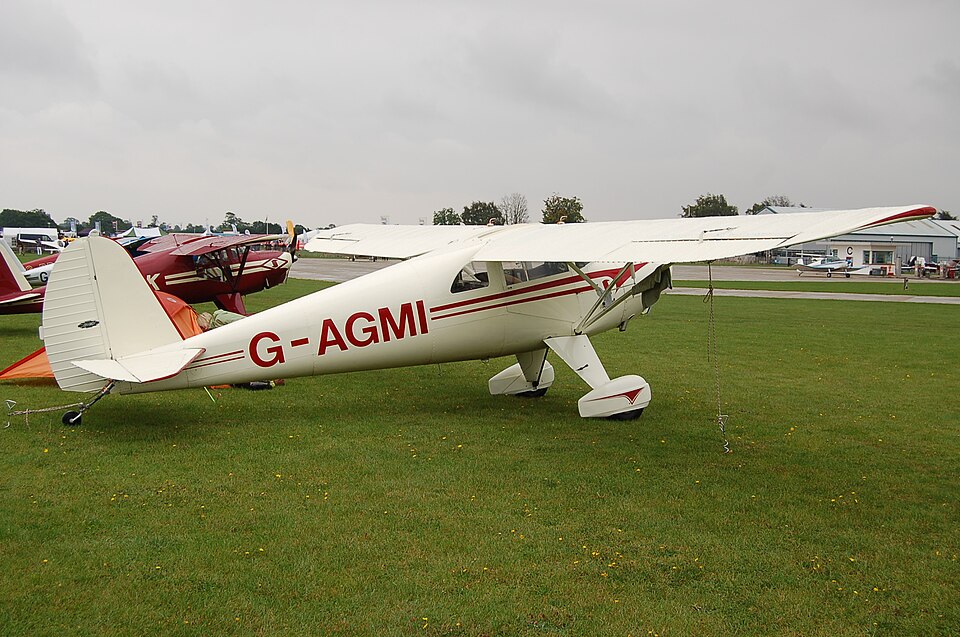
On 23 July 2014, at approximately 0925 UTC, a Luscombe 8E Silvaire Deluxe, registration G-AGMI, was departing from a 440 m grass airstrip near Albourne, West Sussex, in good weather with visibility and a surface wind from 030° at 8 kt, variable between 010° and 130°. The pilot, the sole crew member, planned a takeoff on a heading of 020°. A passenger was also on board. The pilot had conducted a normal pre-flight inspection, including checking the operation of the hinged pitot cover designed to deflect under air loads.
The takeoff roll initially appeared normal, but about two-thirds of the strip, the indicated airspeed was approximately 40 mph. The pilot decided to abort the takeoff. At that moment, the passenger noted that the pitot cover had not opened. The pilot applied wheel brakes; braking seemed effective initially but then lessened. With roughly 80 m of strip remaining, the aircraft was not slowing as expected despite firm braking and began drifting left.
The aircraft’s outer left wing contacted a hangar at an estimated 10 mph, causing the aircraft to yaw left and bring the propeller into contact with the wire mesh hangar gates. The contacts occurred at very slow speed. Neither the pilot nor passenger was injured.
Post-Accident Examination
The aircraft sustained damage to the left wing and propeller. Later testing of the brakes found them operating normally. No reason was identified for the pitot cover’s failure to open during the takeoff roll. The pilot believed braking effectiveness may have been reduced as the aircraft passed over uneven ground, possibly due to weight being off the wheels, brake fade, or wheel lock on the recently cut grass.
Pilot Remarks
The pilot intended to investigate the feasibility of removing the existing pitot probe and installing one without a hinged cover.