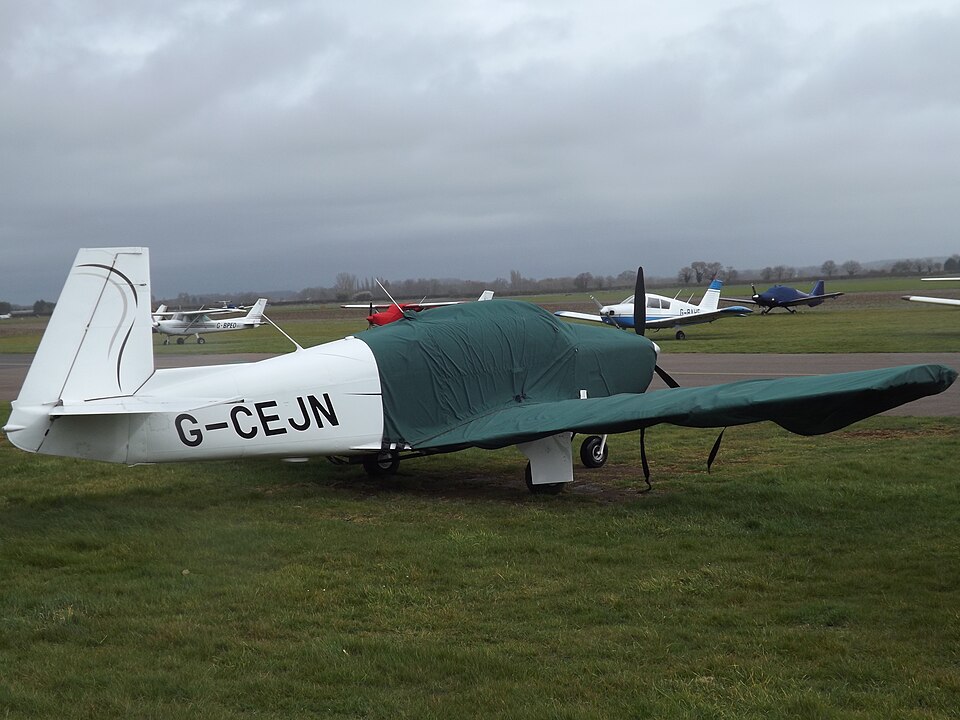
History of the Flight
On 17 April 2016, a Mooney M20F (registration G-CEJN) departed for a local flight to check system serviceability ahead of its annual inspection. The pilot, the sole occupant, returned to Wellesbourne Mountford Airfield and lined up for landing on Runway 18 with a light southerly wind. The approach was flown at 80 mph. The pilot verified the landing gear down indication via the single green light and a physical check through the cockpit floor window. The control tower also advised to "Check 3 greens."
Accident Sequence
The aircraft touched down gently on the threshold. As it slowed, the pilot sensed the right wing dropping. He applied left aileron and simultaneously pulled the mixture control to shut down the engine. The tailskid and right flap contacted the runway, and the aircraft veered right onto grass before stopping. Upon exiting, the pilot observed that the right main landing gear had collapsed.
Engineering Examination
Post-accident examination revealed that the actuating rod for the right main landing gear was bent. The maintenance engineer noted that this bend could indicate the gear had not been in its overcentre locked condition and had attempted to react to landing loads through the retraction rod. It was also possible that pre-existing distortion of the rod had prevented overcentering. The indicator light and the mechanical window check only confirm the actuating rods are in the correct position, not that the gears are locked down.