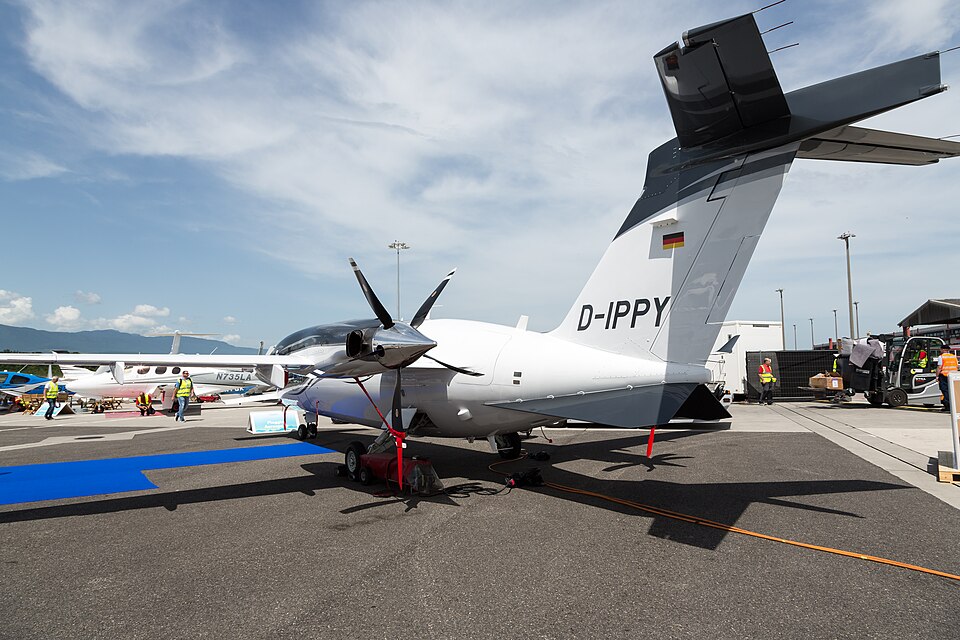
Incident Overview
On 19 September 2020, at 0755 UTC, a Piaggio P180 Avanti II, registration D-IPPY, experienced a loss of cabin pressure during climb near Southend-on-Sea, Essex. The aircraft, manufactured in 2018, was being operated as a commercial air transport passenger flight from London Luton Airport to Riviera Airport, Albenga, Italy.
Flight Details
On board were two crew members and three passengers. The commander, aged 42, held a Commercial Pilot's Licence and had accumulated 4,400 flying hours, with 1,600 hours on type. The flight departed without event. During the climb passing flight level (FL) 220, the commander, who was the pilot flying, heard a dull sound that he believed was an outflow valve opening in the rear of the aircraft. Observing the cabin altitude indicator, he saw it climbing at about 4,000 ft per minute.
Emergency Response
The pilot monitoring informed air traffic control (ATC) that they intended to level off at FL230 to monitor the cabin altitude. As the cabin altitude continued to increase and approached 10,000 ft, the commander manually deployed the passengers' oxygen masks, and the crew donned their own. A PAN was declared, and an emergency descent to FL100 was requested. ATC initially cleared the aircraft to FL200 due to traffic below but soon re-cleared it to FL100. The descent was conducted, and the appropriate checklist was completed. The aircraft diverted to London Biggin Hill Airport, where it landed with the Rescue and Fire Fighting Service in attendance, without further event. No injuries were reported, and no damage occurred.
Engineering Investigation
The engineering investigation revealed that a clamp connecting a hose to the Environmental Control System had become loose, possibly as a result of vibration, leading to the loss of cabin pressure. After the clamp was rectified, the aircraft was released to service.