History of the Flight
The aircraft arrived at Hamilton Farm Airstrip from White Waltham Airfield, landing on Runway 04, flown by another pilot with the accident pilot as a passenger. The two pilots planned to swap seats and roles for the return flight.
Before departure, both pilots and the airfield operator inspected the runway on foot. They discussed the best departure direction considering obstacles, runway condition, and variable wind predominantly from the north or north-east. The pilot decided on Runway 04 with a go/no-go decision point at approximately the midpoint of the runway due to conditions and tall trees at the departure end.
Accident Sequence
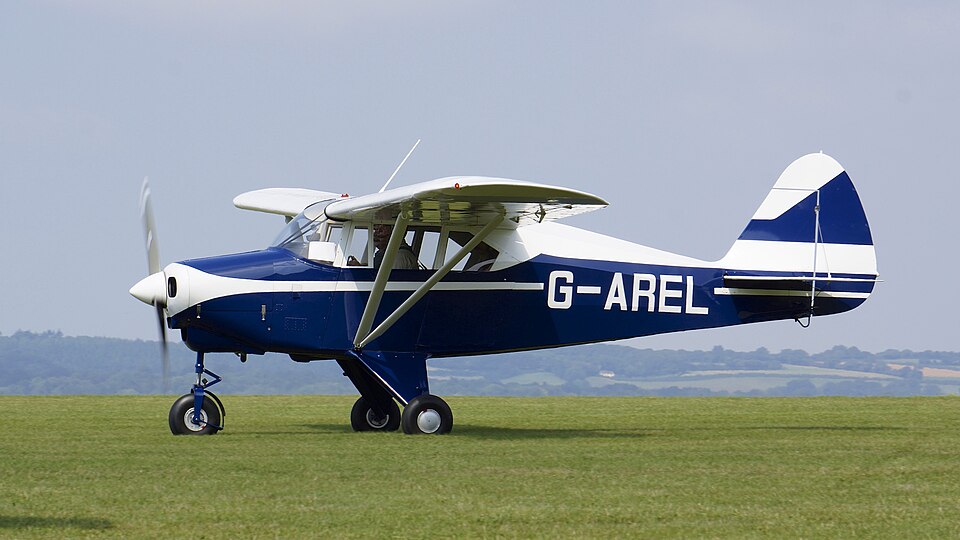
The takeoff run commenced, but the aircraft did not reach takeoff speed or become airborne by the decision point. As planned, the pilot closed the throttle and began braking. Under braking, the aircraft veered left, and despite control inputs, the pilot could not prevent it from leaving the runway. Although the aircraft had slowed significantly, the nosewheel dug in abruptly and collapsed, tipping the aircraft onto its nose and right wing. Neither occupant was injured and they vacated the aircraft without assistance.
Aerodrome Information
Hamilton Farm Airstrip near Ashford, Kent, has a single grass runway oriented 04/22. The runway is 630 m long with a Take Off Run Available of 500 m on Runway 04 and 620 m on Runway 22. It is level from the north-east end to the midpoint, then has a two-degree upslope to the south-west end. Trees 15 m tall are at the end of Runway 04, and a 1 m hedge/wire fence at the end of Runway 22.
Weather Conditions
On the day of the accident, the weather was fine with sunshine, but the grass was wet and parts of the airstrip were waterlogged, especially the beginning of Runway 22 and lower areas.
Damage
The nosewheel collapsed and bent backwards, and the right wingtip was damaged.