Incident Overview
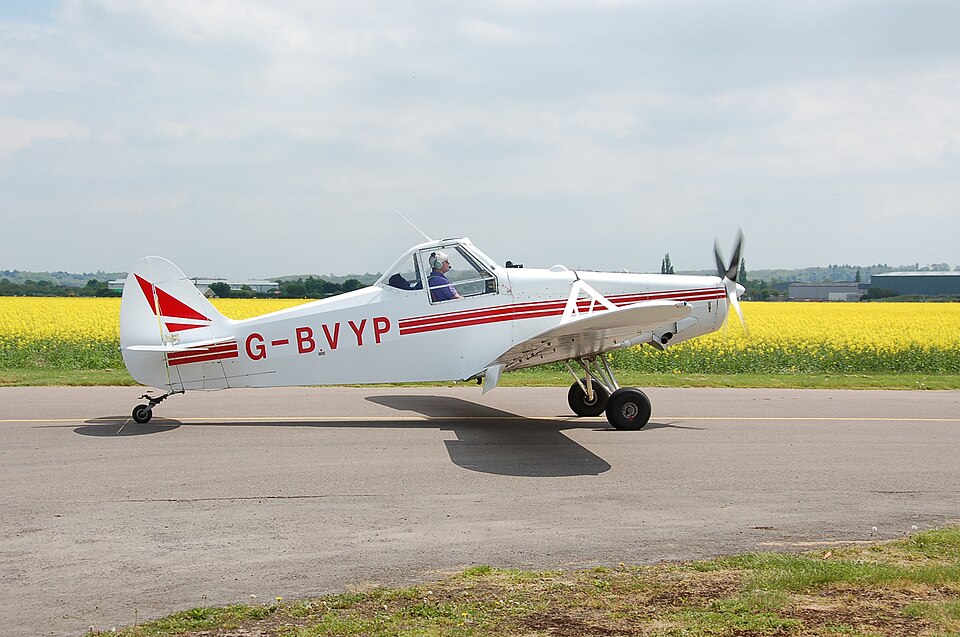
On 22 July 2016, at approximately 1145 UTC, a Piper PA-25-235 Pawnee (registration G-BVYP) was involved in a ground collision with a parked CAP 10 aircraft at Bidford Gliding & Flying Club, Bidford-on-Avon, Warwickshire. The aircraft was being operated on an aerial work flight with only the pilot on board.
Aircraft and Pilot Information
The accident aircraft, a single-engine taildragger, was manufactured in 1965 (serial number 25-3481) and powered by a Lycoming O-540-B2B5 piston engine. The pilot, aged 65, held a Private Pilot’s Licence and had accumulated 519 flying hours, of which 273 were on type. His recent flying experience included 11 hours in the last 90 days and 10 hours in the last 28 days. The pilot reported no injuries, and there were no passengers.
Sequence of Events
Several minutes after engine start-up, with both cockpit doors open (folded down), the pilot looked out of the doors and began taxiing forward. After traveling approximately 30 metres, the aircraft struck a parked CAP 10. The collision caused damage to the propeller, a wing strut, both wing leading edges, and the parked aircraft.
Pilot's Observations
On reflection, the pilot noted that the aircraft's long nose and taildragger design created a significant forward blind spot. He realized that he should have weaved from side to side while taxiing to ensure the path ahead was clear.