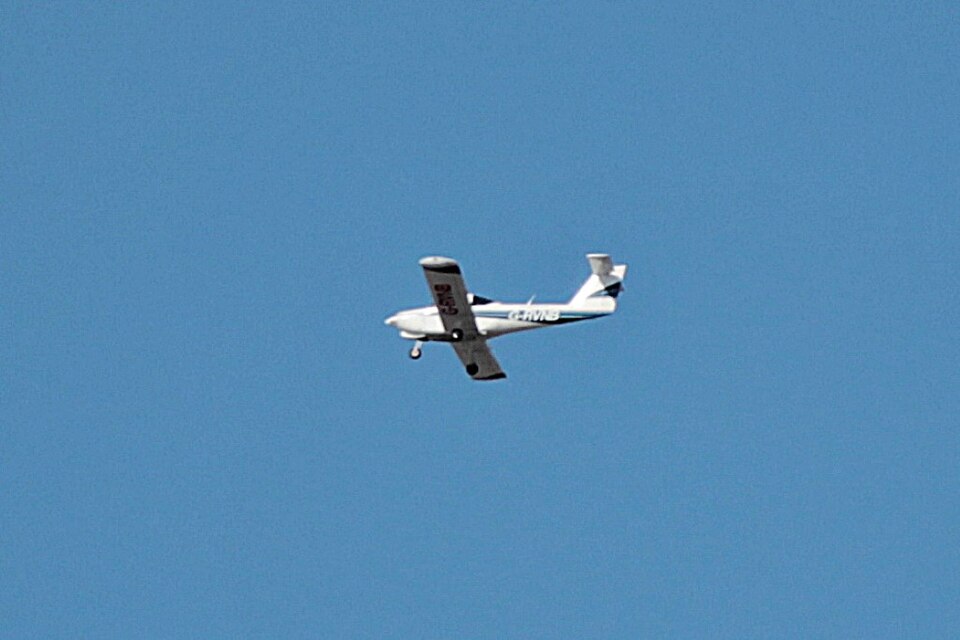
Incident Overview
On 2 July 2015, at approximately 1158 UTC, a Piper PA-38-112 Tomahawk, registration G-RVNB, was on a circuit training flight at Liverpool Airport. The aircraft, manufactured in 1978 and equipped with a single Lycoming O-235-L2C piston engine, was occupied by a student pilot in the left seat and a flying instructor in the right seat. No passengers were on board, and no injuries were reported, though the instructor later noted bruising.
Aircraft and Flight Details
The flight was conducted under the supervision of a 34-year-old commercial pilot with 890 hours total flying experience, including 600 hours on type. The instructor had flown 120 hours in the last 90 days and 50 hours in the last 28 days. The aircraft was on a flapless final approach to Runway 27, with an indicated airspeed of approximately 80-90 KIAS at an altitude of about 650 ft above airfield level.
Birdstrike Sequence
The instructor, aware of the elevated risk of birdstrike in the summer at Liverpool, had turned on the window heat to improve the windscreen’s resistance to impact. During the approach, he observed a small flock of grey pigeons against the grey sky to the right of the nose, close by and flying into the aircraft’s path. Before he could react, the aircraft struck four or five birds. One bird struck the windscreen, which remained intact, but another bird broke the right side window, causing bruising to the instructor’s shoulder.
Damage and Aftermath
Following the strike, the approach continued to a flapless landing, and the aircraft vacated the runway normally. A post-flight inspection revealed evidence of birdstrike within the engine bay, on the cowlings, and on the wing. The damage was limited to the cowling and right side window. The flight was logged as a training sortie, and no further issues were reported.
The CAA Safety Sense Leaflet 10c - ‘Bird Avoidance’ provides advice to pilots on mitigating the birdstrike hazard, including the use of windshield heat, which was applied in this instance.