Introduction
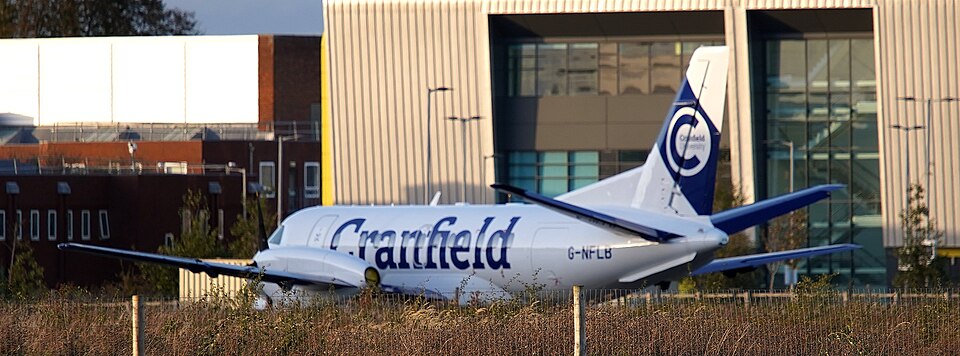
On 14 September 2021, a Saab 340B aircraft, registration G-NFLB, experienced a serious incident during a training flight approximately 6 nautical miles east of the Isle of Islay, Argyll and Bute. The aircraft was operated by a crew of four, with no passengers on board. No injuries were reported, and the only damage was a failed generator.
History of the Flight
The crew departed Glasgow Airport for a training flight aimed at converting pilots to the Saab 340, which had recently been introduced to the operator's fleet. The flight profile included intentional in-flight engine shutdown and restart maneuvers. After completing other exercises at Flight Level 120 in visual meteorological conditions, the commander simulated a left engine oil pressure drop and shut down the left engine. He then demonstrated one-engine-inoperative handling.
For the restart, the commander initiated a manual start of the left engine, drawing power from the right engine's generator. The engine speed stagnated at 40% Ng and then dropped, resulting in an unsuccessful restart. Shortly after, the electronic flight instrument system screens went blank, indicating a failure of the right engine generator. The crew performed the emergency procedure for generator reset but without success.
The aircraft was now flying on one engine and powered only by batteries. The crew declared a MAYDAY and reviewed weather options. Due to battery time constraints, they ruled out a return to Glasgow. Using the commander's electronic flight bag, they identified a VOR approach for Campbeltown Airport, which was approved for his primary operator. The crew flew a radar-vectored approach, intercepted the final track, and landed safely about 40 minutes after the generator failure.
Aircraft Information
The Saab 340B is a twin-engine turboprop regional aircraft, powered by two General Electric CT7-9B engines. G-NFLB was configured as a flying classroom with 33 seats. The aircraft's electrical system includes two engine-driven starter/generators, which also serve as starters. During in-flight starts, the opposing engine's generator assists the batteries. If both generators fail, battery endurance is limited; with immediate load reduction, batteries can provide about 45 minutes, extended to 60 minutes with additional load shedding.
Outcome
The crew successfully managed the emergency, landing without further incident. The aircraft's right engine starter/generator failed, leading to the loss of electrical power generation and necessitating a single-engine approach.