What happened
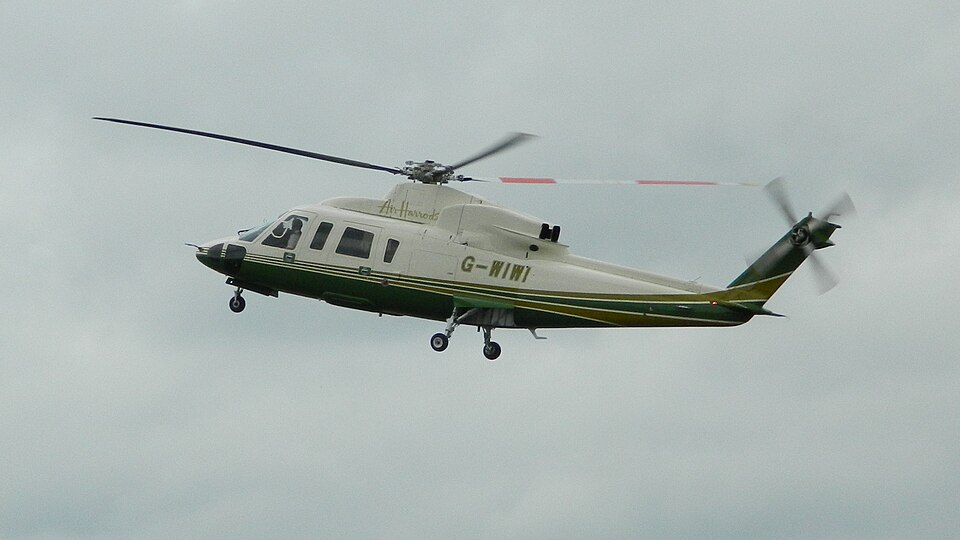
The incident occurred during a night flight when the pilot initiated an approach to a private landing site. Conditions were challenging, characterized by low cloud bases and reduced visibility. As the helicopter neared the destination, the pilot decided to discontinue the approach. However, instead of executing a standard missed approach procedure, the aircraft continued its descent towards the terrain. The Sikorsky S-76C (registration G-WIWI) subsequently impacted the tops of trees.
The investigation
The AAIB examined the flight data and cockpit voice recorder to reconstruct the sequence of events. Investigators focused on the pilot's decision-making process during the final phase of the approach. Key areas of inquiry included the briefing for the approach, the availability of published missed approach procedures for the specific site, and the environmental conditions at the time of the accident.
Findings
The investigation established that the pilot had not briefed a go-around procedure or a specific routing for a missed approach prior to commencing the descent. This omission was critical because the landing site did not have published instrument procedures available. Consequently, when the decision to abort the approach was made, there was no clear plan to safely climb away from the terrain. The lack of a briefed contingency, combined with the visual limitations imposed by night and poor weather, led directly to the loss of control and collision with the trees.
Safety action
The AAIB issued one Safety Recommendation to the relevant aviation authority regarding the importance of briefing missed approach procedures for all approaches, particularly at sites without published instrument procedures.