Accident Overview
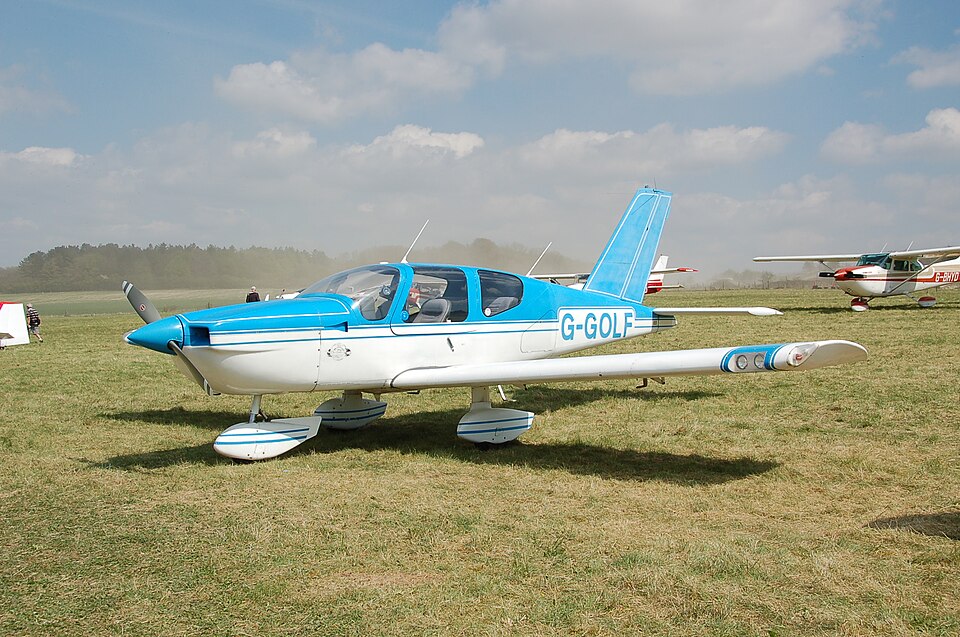
On 6 April 2018 at 1245 hrs, a Socata TB10 Tobago, registration G-GOLF, operated by a private pilot on a solo flight, sustained damage during landing at Fadmoor Airfield, Yorkshire. The pilot, aged 70 and holding a Private Pilot’s Licence with 600 hours total experience (200 on type), reported no injuries. The aircraft, manufactured in 1981 with a single Lycoming O-360-A1AD piston engine, suffered damage to the nose landing gear, propeller, engine, and lower engine cowling.
Landing Sequence
As the pilot approached the grass Runway 02, which is 18 m wide and familiar to him, he observed a windsock and assessed a crosswind from the left of approximately 10 kt. After touching down on an uphill slope, a strong gust of wind lifted the left wing, causing the aircraft to swing right. The pilot had placed one hand on the throttle and was unable to prevent the aircraft from running off the runway into a field of soft soil. There, the nose landing gear collapsed and the propeller struck the ground.
Pilot's Subsequent Reflection
The pilot later reflected that he may have inaccurately assessed the wind velocity from the windsock. He believes a tailwind component likely existed, resulting in a higher-than-anticipated groundspeed at touchdown. Additionally, the wind strength may have increased as the aircraft progressed along the runway and up the slope. Given these conditions, the pilot realised he should have considered landing on the shorter Runway 32, which was less familiar but better aligned with the wind direction.