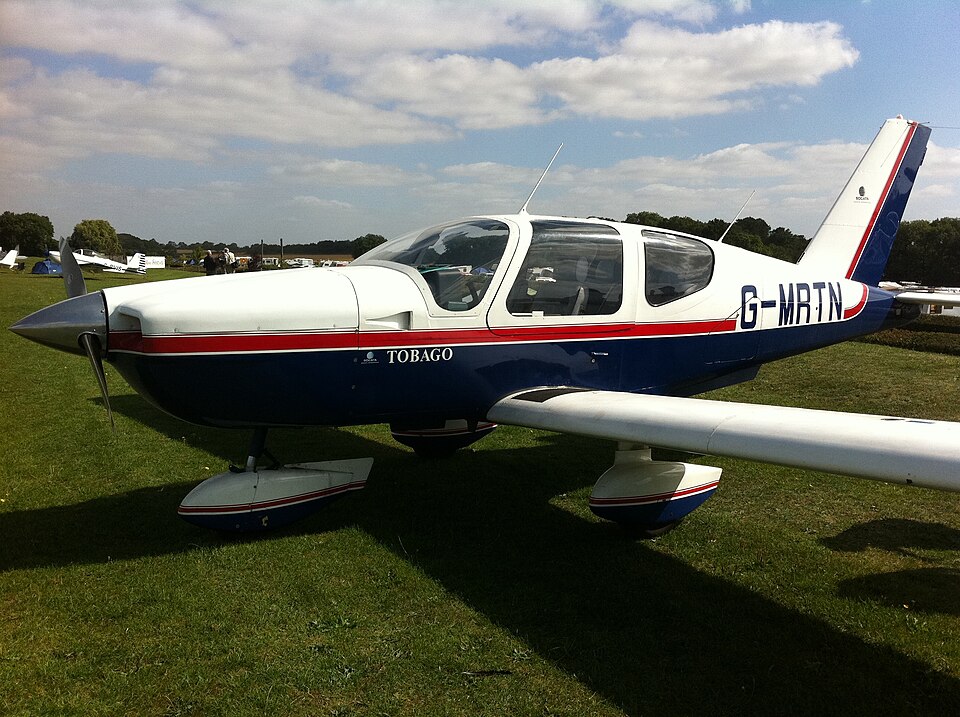
Accident Details
The accident involved a Socata TB10 Tobago, registration G-MRTN, serial number 62, manufactured in 1980. It was powered by a single Lycoming O-360-A1AD piston engine. The flight was private, with one pilot and three passengers on board. No injuries were reported. The aircraft sustained fire damage to the engine bay and lower fuselage. The commander, aged 44, held a Private Pilot’s Licence and had accumulated 1,147 total flying hours, including 50 hours on type. In the previous 90 days he had flown 71 hours, and in the last 28 days, 24 hours.
Sequence of Events
On 27 August 2016 at 1500 UTC, the pilot reported that pre-takeoff power checks were normal. However, the takeoff roll was slightly longer than expected, and the rate of climb was less than 400 ft/min. The pilot decided to return to Henstridge Airfield. Soon after, a smell of burning was noticed in the cockpit, and white smoke began to emanate from the cowling. At approximately 500 ft above ground level, the engine started to lose power and the smoke intensified. The pilot made a MAYDAY call, switched off the fuel, and completed a successful forced landing in a field approximately 1 km east of Henstridge Airfield, Somerset.
Damage and Outcome
After landing, all four occupants exited the aircraft through the two doors. The pilot returned to the aircraft and used a fire extinguisher to fight the flames in the engine bay. The fire caused damage to the engine bay and the lower fuselage.
Pilot Report
The pilot believes that the exhaust had become detached, allowing hot gases to start a fire in the engine bay, which also damaged the lower fuselage. The pilot held an instructor rating, which the AAIB bulletin noted provided good recency in practice forced landings. The bulletin stated that the pilot's recency in forced landing practice and the relatively low height when the fire started were probably factors that contributed to a successful forced landing.