Introduction
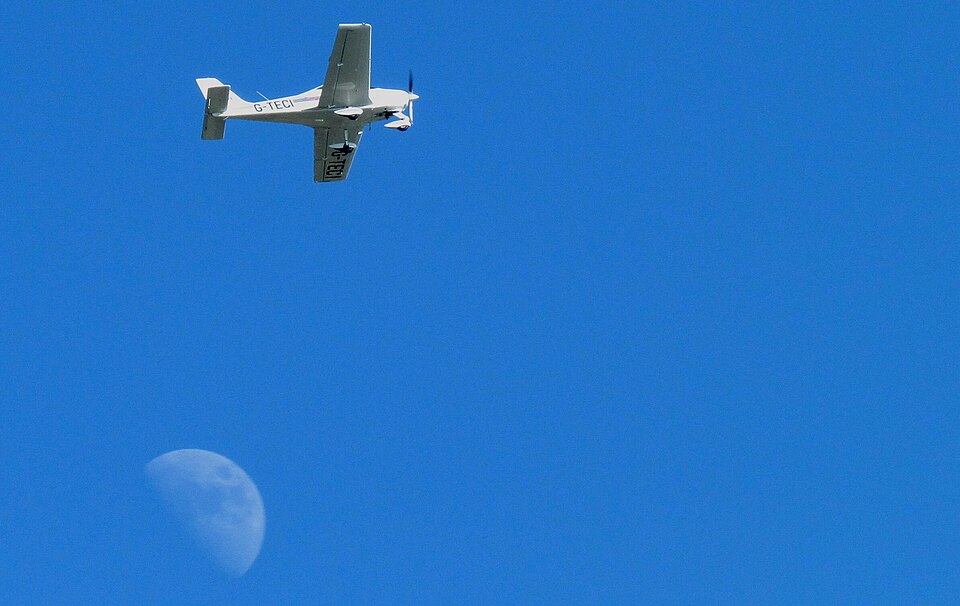
On 15 September 2016, a Tecnam P2002-JF Sierra, registration G-TECI, experienced a runway excursion during takeoff from Haverfordwest Airfield in Pembrokeshire. The flight was conducted under private operation with one pilot and one passenger aboard.
Sequence of Events
The pilot commenced the takeoff roll on asphalt Runway 03 with full engine power applied. The wind was reported from the north at approximately 8 to 9 knots. At an airspeed of about 45 knots, the pilot initiated nose-up rotation in accordance with the manufacturer's flight manual. The nose rose more abruptly than anticipated, prompting the pilot to release back pressure on the control stick. Consequently, the nose dropped, and the aircraft adopted a left wing-down attitude while veering to the left. After a brief airborne phase, the aircraft struck the ground and came to rest in the long grass adjacent to the runway. Both occupants evacuated without difficulty and sustained no injuries.
Damage
The accident resulted in a collapsed nosewheel, damage to the propeller, left wingtip, and pitot tube.
Pilot Remarks
The pilot, aged 75, held a Light Aircraft Pilot's Licence and had accumulated 337 total flight hours, with 20 hours on the accident type. The pilot expressed the opinion that gusty wind conditions may have contributed to the loss of control.
Additional Information from the AAIB
The Air Accidents Investigation Branch noted that it could not determine whether a specific factor contributed to this accident. However, the AAIB is aware of multiple runway excursions to the left involving this class of aircraft, which feature relatively high power-to-weight ratios. The tendency to swing left at high power is more pronounced at low airspeeds, and appropriate right rudder input is required to counter it.