History of the Flight
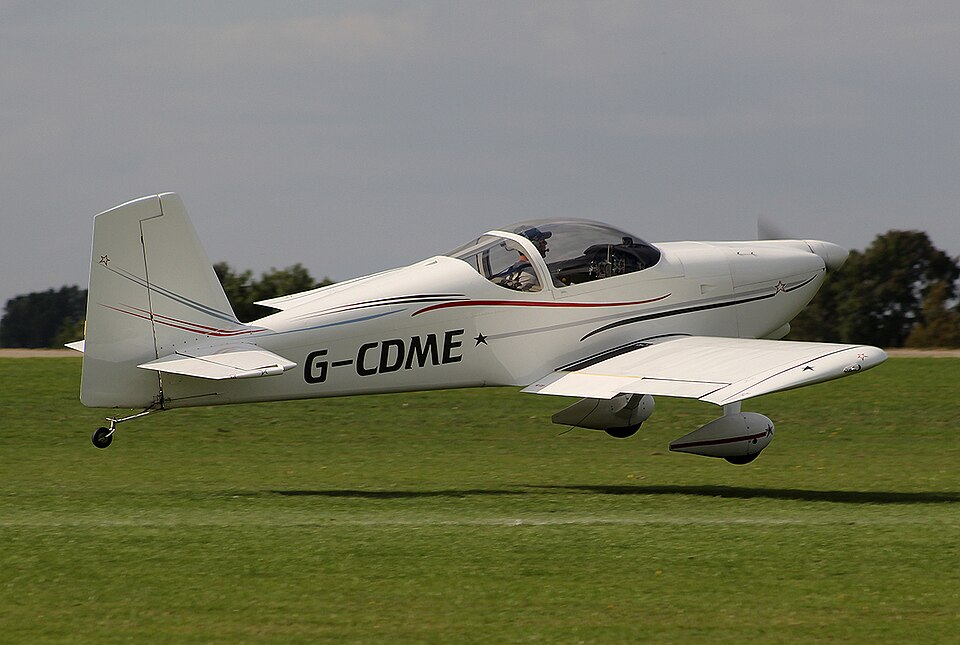
The pilot, who also owned the airstrip, had not flown for several weeks. After mowing the runway with a tractor and gang mower, he walked the runway before departing for a short flight within COVID restriction regulations. The landing was normal and slightly left of the centreline. Approximately 140 meters into the landing roll, the aircraft encountered a patch of soft ground. The wheels and spats sank, causing rapid deceleration. The tail rose, the propeller struck the ground, and the aircraft nosed over, coming to rest inverted.
Circumstances of the Accident
The pilot assessed that the runway conditions seemed normal after mowing, but with hindsight, a slow taxi test in the aircraft might have revealed softer areas. The wheel spats, although modified to provide more wheel clearance, quickly became clogged with soil when the aircraft entered the soft area. He noted that complete removal of the spats would likely have resulted in a different outcome. The pilot was wearing a four-point harness with tight straps, which held well during the accident and prevented injury.
AAIB Comment
The cause of this accident was the sudden deceleration due to increased drag created by the mainwheels and spats as they became clogged with soil. The tail rose, the propeller contacted the ground, and the aircraft nosed over. The AAIB highlighted that numerous previous accidents have involved the combination of soft grass runways and aircraft fitted with wheel spats, often resulting in damage or injury. The pilot's correct use of the safety harness likely reduced his risk of injury.
Safety Actions
Following the accident, the CAA was informed about wheel spat contamination. As a result, the CAA updated Safety Sense Leaflet 12 – 'Strip Flying' to include a reminder for pilots to ensure wheel spats are clear of mud and grass, and that temporary removal must be agreed with the CAA regional office. The CAA also plans to remind pilots via social media and at the GA Safety Council meeting to inspect spats and consider ground conditions at grass strips.