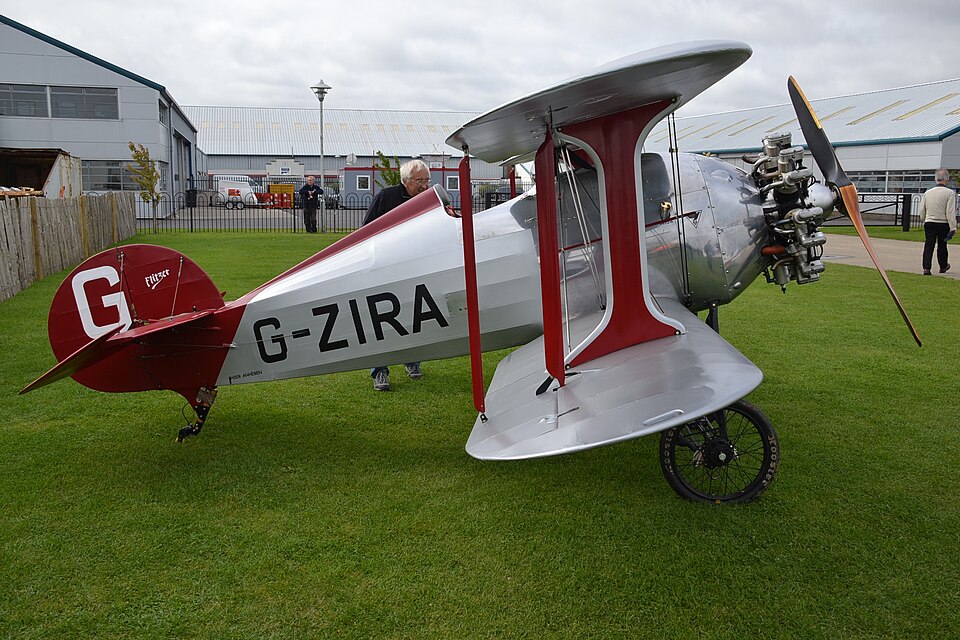
Aircraft and Flight Information
On 3 March 2026, a Z-1RA Stummelflitzer, registration G-ZIRA, year of manufacture 2008 (serial number PFA 342-14596), powered by a single Rotec R2800 piston engine, was involved in an accident at White Waltham Airfield. The aircraft was operating on a private flight with a crew of one and no passengers. The commander, aged 63, held a Private Pilot's Licence and had accumulated 983 flying hours, of which 177 were on type. In the preceding 90 days, he had flown 11 hours, with 2 hours in the last 28 days.
Sequence of Events
According to the pilot's report, he conducted two flights in the aircraft on the day of the accident. Prior to the first flight, a full pre-flight inspection was performed, including a fuel drain check for water, with no abnormalities found. The first flight lasted 90 minutes and was without reported issues. Less than an hour later, the aircraft was refuelled and prepared for a second flight.
The pilot stated that the engine started normally, and the aircraft was taxied for approximately five minutes to the threshold of Runway 07. Power checks were reportedly normal, and the pilot lined up and took off. After reaching a height of about 200 feet, the pilot noticed poor climb performance and lower-than-normal engine speed. He levelled off and described the engine sound as 'hesitant'. He initiated a right turn to remain over the airfield and switched on the auxiliary fuel pump. The engine then stuttered and stopped.
Landing and Aftermath
The pilot attempted to land on a grass area between some hangars and a line of parked aircraft. He stated that the aircraft did not respond to an attempt to flare before touchdown. The aircraft landed heavily, nose-first, and then cartwheeled. The pilot suffered multiple injuries but was able to self-extricate from the wreckage. The aircraft was severely damaged, with damage described as beyond economical repair. No investigation of the engine or flight controls was conducted. The reasons for the loss of engine power and the lack of flare response were not determined.