What happened
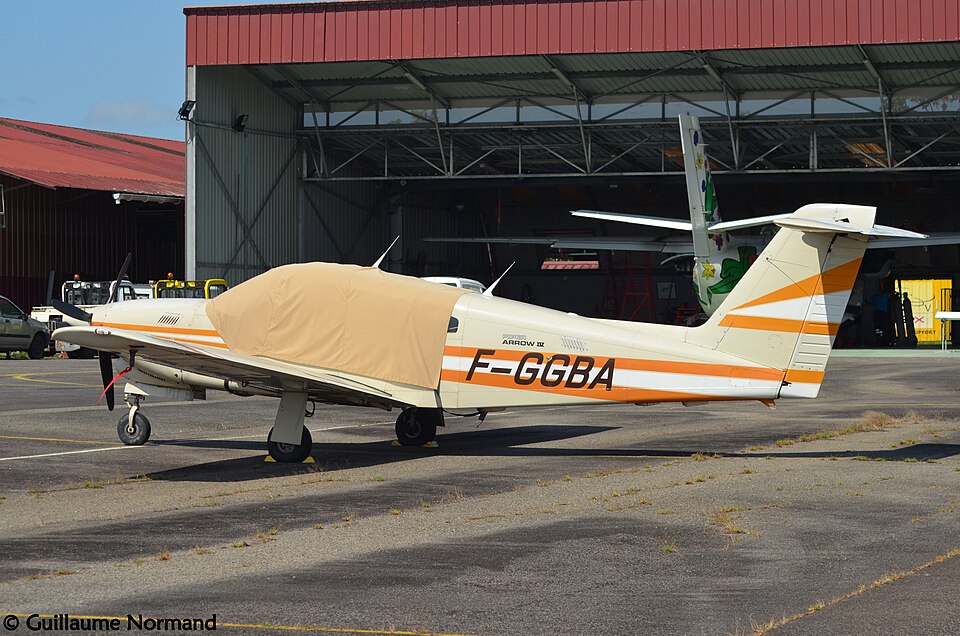
On February 26, 2015, a Piper PA2/28 (registration F-GGBA) was conducting a simulated PPL competency check flight. The flight originated from Pointe à Pitre, destined for Fort-de-France, but was diverted to Marie-Galante to perform specific maneuver exercises. The crew consisted of a supervisor acting as the student pilot and a supervised examiner.
During the flight, the crew performed several circuits, including simulated engine failures and engine fires. As part of the training program, the supervised examiner requested an engine failure exercise starting from the airfield vertical. While performing this maneuver, the pilot acting as the candidate failed to extend the landing gear. The aircraft subsequently touched down on the runway with the landing gear retracted, resulting in heavy damage to the airframe.
The investigation
The investigation focused on the cockpit environment and the procedural setup of the competency check. Investigators established that the flight was a simulated test because a real candidate was unavailable. The supervisor, who had relatively low experience on this specific aircraft type, took on the role of the student pilot.
Investigators examined the cockpit ergonomics and the crew's monitoring capabilities. It was noted that the landing gear lever and indicators are positioned behind the throttle quadrant, requiring the pilot in the right seat to lean left to view them. Furthermore, sunlight from behind the aircraft significantly reduced the visibility of the gear lights. The crew also noted that the audible landing gear warning alarm was non-functional or too faint to be heard.
Findings
Several contributing factors led to the accident:
- High workload and reduced vigilance: The pilot acting as the candidate was focused on managing simulated engine failures, which led to the omission of the gear extension.
- Ambiguity in command: The roles and responsibilities of the crew, specifically regarding who was acting as the pilot-in-command, were not clearly defined during the pre-flight briefing.
- Mutual overconfidence: The high level of general experience of both pilots contributed to a lack of rigorous cross-checking.
- Improper simulation setup: Using a supervisor as a fictitious candidate is an exceptional procedure that increases risk, particularly when the pilot lacks significant experience on the specific aircraft type.