Incident Overview
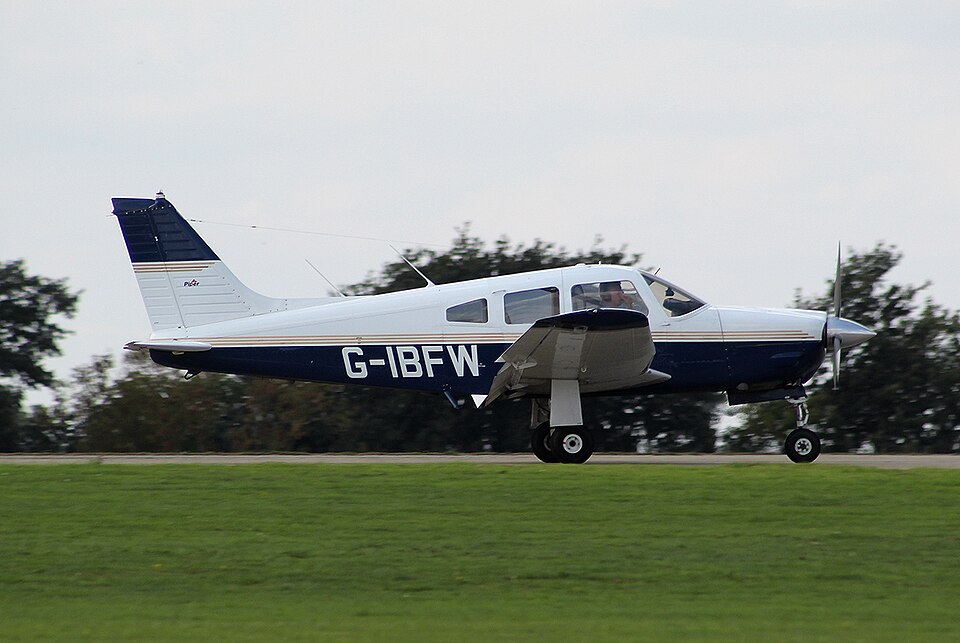
On July 24, 2016, at approximately 12:50 UTC, a Piper PA-28R-201 registered as G-IBFW experienced an accident while landing at the Rouen aerodrome in France. The aircraft was operated by a private pilot for personal convenience and sustained significant damage during the event.
Flight Progression
The flight originated from Lydd, United Kingdom, departing around 11:50 UTC with an estimated duration of one hour. During cruise, the pilot encountered radio reception issues, necessitating two switches between the aircraft's dual radio receivers while in contact with Paris Info and Rouen Approach.
Landing Sequence
Upon approaching Rouen, the pilot reduced engine power to descend from 3,000 feet to join the base leg for runway 22. During this power reduction, the "gear not down" audible warning activated. The pilot perceived the aircraft as being too high on the approach path. While performing the pre-landing checklist aloud and looking outside to verify the glide slope, the pilot recovered the correct descent angle approximately 100 meters from the runway threshold. The gear warning continued to sound throughout this phase.
Outcome and Contributing Factors
The pilot realized the landing gear was retracted during the flare and executed a belly landing. The aircraft slid on its underside for several hundred meters before coming to a stop within the runway limits. The 55-year-old pilot, holding a valid private license with 246 total flight hours (76 on type), attributed the incident to auditory fatigue caused by radio noise and the prolonged duration of the gear warning. Additionally, the pilot noted that visual focus on locating the runway and managing the descent prevented attention from being directed to the instruments during the checklist.