Flight History
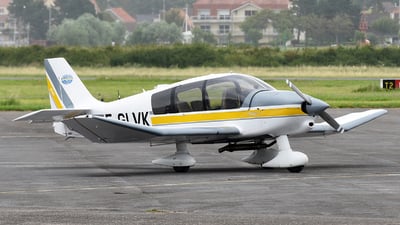
On 29 June 2015, around 19:30 local time, the pilot of a Robin DR400-140B (registration F-GLVK) departed from Les Mureaux aerodrome with one passenger for a round trip to Rouen. Upon arrival, the controller instructed the pilot to join the left-hand downwind leg for runway 04 for a touch-and-go landing. The pilot reported a normal circuit and a stabilized final approach.
During the landing, the aircraft bounced three times, with the first bounce being notably high. On the third bounce, the stall warning activated, and the pilot reflexively lowered the nose. When the aircraft contacted the runway, the nose gear failed, causing the aircraft to slide on its nose and veer laterally to the right off the runway.
Pilot Information
The pilot held a private pilot license and had accumulated approximately 100 flight hours, predominantly on the DR400, including 10 hours in the three months preceding the accident. The pilot stated having never experienced landing bounces before.
Weather Conditions
The METAR for Rouen aerodrome reported wind from the north at 10 knots and a temperature of 23°C.
Conclusion
The investigation determined that the nose gear broke and the aircraft exited the runway after multiple bounces and a subsequent nose-down input. No probable cause was stated in the report.