Background
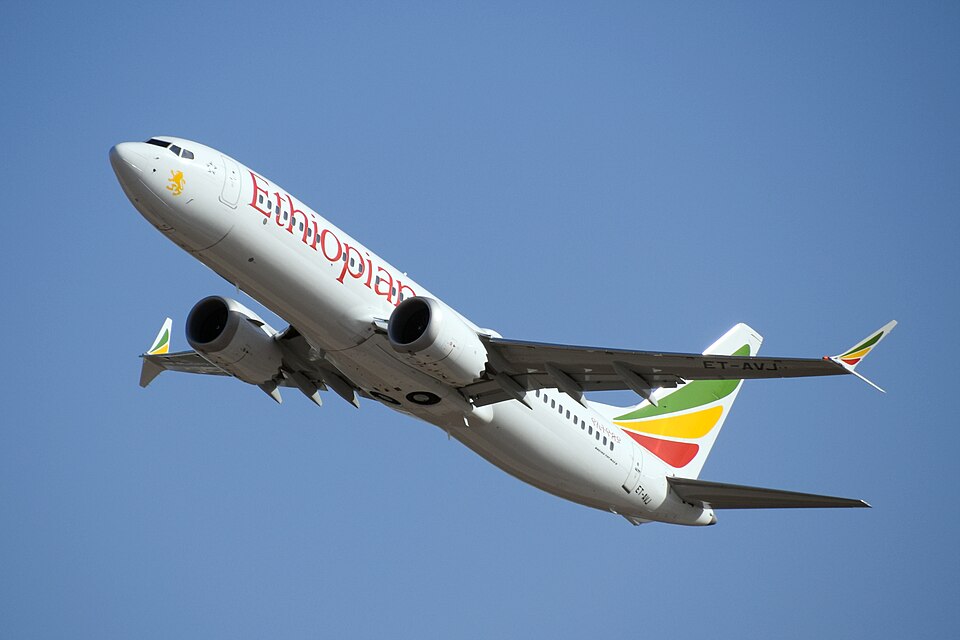
On March 10, 2019, a Boeing 737 MAX 8 aircraft, registration ET-AVJ, operated by Ethiopian Airlines as Flight ET-302, was involved in an accident. The investigation was conducted by the Ethiopian Aircraft Accident Investigation Bureau (EAIB), which operates under the Ministry of Transport and Logistics of the Federal Democratic Republic of Ethiopia. The final report, numbered AI-01/19, was published on December 23, 2022.
Investigation Scope
The EAIB conducted the investigation in accordance with ICAO Annex 13 and Ethiopian Proclamation No. 957/2016. The report includes factual information organized into several sections covering the history of the flight, injuries to persons, damage to the airplane, other damage, personnel information, airplane information, meteorological information, aids to navigation, communications, and aerodrome information. The report also details the airplane's systems, including the Angle of Attack (AOA) system, Enhanced Digital Flight Control System (EDFCS), autopilot, flight director, autothrottle, and pitch control system.
Personnel and Airplane Information
The report provides information on the flight crew, including the pilot in command and first officer, as well as flight attendants and the In-Flight Security Officer (IFSO). The airplane’s maintenance history, engines, and weight and balance are documented. Additionally, the report describes the air data system, alerts and warnings, and other relevant systems.
Report Availability
The report is publicly available and represents the official findings of the investigation. The EAIB emphasizes that the sole objective of the investigation is the prevention of accidents and incidents, not to apportion blame or liability.