Synopsis
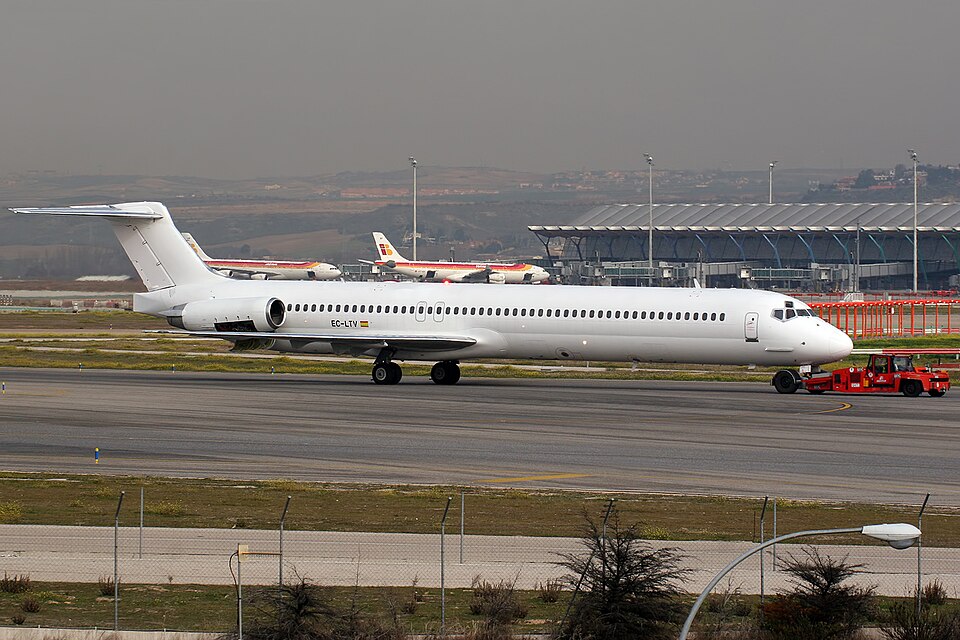
On 24 July 2014, a McDonnell Douglas DC-9-83 (MD-83), registration EC-LTV, operated by Swiftair S.A. on behalf of Air Algérie as flight AH5017, departed Ouagadougou, Burkina Faso, for Algiers, Algeria. The aircraft was destroyed and all 116 persons on board—including the captain, copilot, four cabin crew, and 110 passengers—were killed.
Flight Details
The aircraft took off from Ouagadougou airport at approximately 01:15 UTC. During the climb, the crew made several heading changes to avoid a thunderstorm area. After reaching cruising level FL 310, the aircraft's speed decreased, followed by a loss of altitude and a sharp left turn. The aircraft then struck the ground at high speed. Radio and radar contact was lost at around 01:44 UTC.
Investigation
Mali, as the state of occurrence, opened a safety investigation under ICAO Annex 13 and established an investigation commission. Accredited representatives from the National Transportation Safety Board (NTSB, USA), the Comisión de Investigación de Accidentes e Incidentes de Aviación Civil (CIAIAC, Spain), the Bureau d'Enquêtes et d'Analyses (BEA, France), the Air Accident Investigation Branch (AAIB, UK), and the Algerian civil aviation authority participated. The interim report was approved on 20 September 2014 by N’Faly CISSE, President of the Commission of Enquiry.
Preliminary Findings
The aircraft was equipped with a flight data recorder (FDR) and cockpit voice recorder (CVR), both recovered and read out. At the time of the interim report, the investigation had established factual information but not yet determined any probable cause. Additional analysis of the recorded data and wreckage examination was ongoing.