Overview
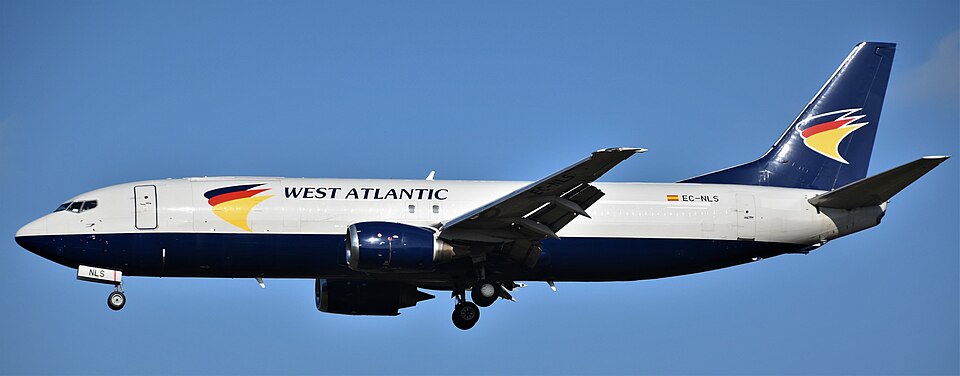
The French Civil Aviation Safety Investigation Authority (BEA) investigated an accident involving a Boeing 737-400 aircraft, registered EC-NLS, operated by Swiftair. The accident occurred on Saturday, 24 September 2022, at Montpellier-Méditerranée airport.
Investigation Structure
The final report, numbered BEA2022-0468, follows a standard format. It includes sections on factual information, analysis, and conclusions. The factual information chapter covers the history of the flight, injuries to persons, damage to the aircraft, other damage and consequences, personnel information, aircraft information, meteorological information, aids to navigation, communications, aerodrome information, flight recorders, wreckage and impact information, medical and pathological information, fire, survival aspects, tests and research, organisational and management information, additional information, and useful or effective investigation techniques.
Personnel and Aircraft
The report details personnel information for the crew. The aircraft is a Boeing 737-400, a twin-engine jet. Specific details such as the engines, maintenance history, and configuration are documented in the aircraft information section.
Meteorological Conditions
Meteorological information was gathered from routine reports (METAR), significant weather charts (SIGWX), and other sources. The conditions at the time of the accident are described in the report.
Flight Recorders
Both the Flight Data Recorder (FDR) and Cockpit Voice Recorder (CVR) were recovered and analysed as part of the investigation.
Conclusions
The report concludes with findings and contributing factors. Safety lessons and measures taken since the occurrence are also presented.