What happened
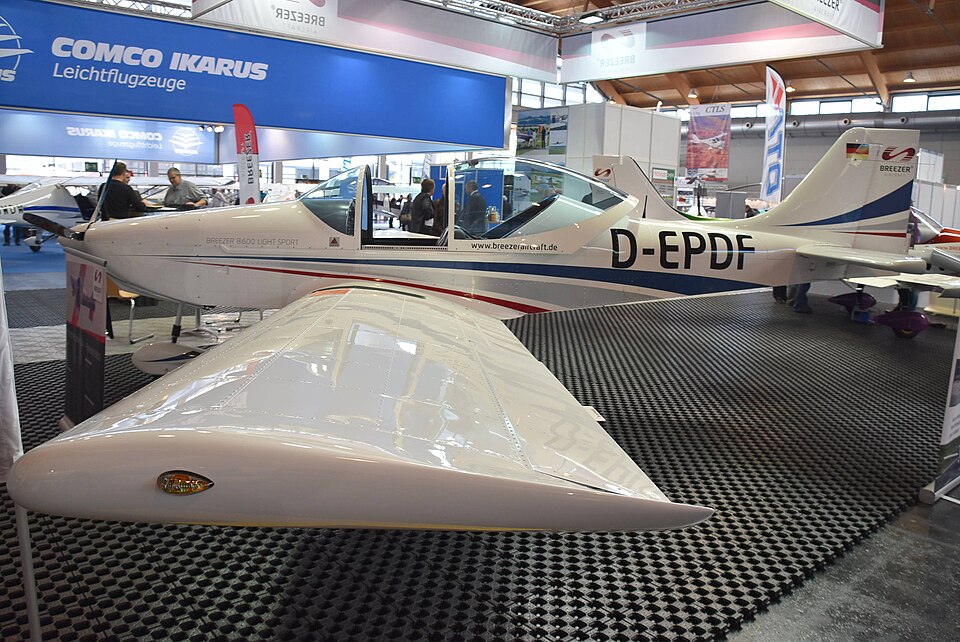
On May 16, 2017, a Piper PA-28-236, registration HB-PMP, was performing circuit patterns at Chambéry Aix-les-Bains airport. The aircraft was occupied by a pilot and an instructor. Simultaneously, a Breezer 600, registration D-EPDF, was also conducting pattern work.
During the sequence of events, the crew of the HB-PMP lost visual contact with the preceding aircraft while transitioning into the downwind leg. During this phase, the instructor requested the pilot simulate a flap failure, which likely led to an unintentional descent. Meanwhile, the D-EP1500 equipped D-EPDF was transitioning from the downwind leg to the base leg.
As the two aircraft converged, the air traffic controller noticed the radar targets were extremely close and instructed the HB-PMP crew to "open their eyes." However, the collision occurred only seconds later. The HB-PMP struck the D-EPDF from above. The impact caused the D-EPDF to lose its right wing, vertical stabilizer, and elevator, subsequently striking trees and a pole before crashing into an industrial park. The pilot of the D-EPDF died several weeks later from injuries sustained in the crash. The crew of the HB-PMP managed to land the damaged aircraft safely on the runway.
The investigation
The BEA examined the wreckage of both aircraft and analyzed flight data. Investigators found that the HB-PMP struck the D-EPDF from an upper position. The investigation also reviewed the cockpit systems of the D-EPDF, specifically the TRX-1500 collision warning system. It was noted that while the system had generated alerts, the audible alarms had been intentionally inhibited by the crew to avoid distractions during flight training.
Radio communications were also analyzed, revealing that the controller provided traffic information, but the timing of the HB-PMP crew's response regarding their loss of visual contact was too late to prevent the impact. The investigation also looked at the controller's radar capabilities, noting that the display provided limited information regarding the precise relative position of the aircraft at low altitudes.